
Philadelphia Whole Foods Market Slip And Fall Attorney
A trip to Whole Foods can end with a painful injury when spilled food, a wet floor, leaking refrigeration equipment, or another dangerous condition causes you to fall. Grocery stores have constantly changing floor conditions because customers handle food and drinks while employees stock shelves, clean aisles, maintain displays, and operate prepared-food areas.
Our attorneys at Philly Slip and Fall Guys focus on premises liability and slip, trip, and fall claims. With more than 23 years of experience, we know that proving a grocery store fall requires more than showing that you were injured. We investigate what caused the accident, whether Whole Foods created or knew about the hazard, how long the condition existed, and whether reasonable steps were taken to keep customers safe.
If you were injured in a fall at a Whole Foods in Philadelphia, call 215-268-6898 for a free consultation. We can review the circumstances surrounding your accident, discuss the evidence that may be available, and explain your legal options.
Common Hazards Inside Whole Foods Stores
Grocery stores have some risks that do not exist in ordinary retail stores. Fresh produce, refrigerated products, prepared foods, beverages, and self-service areas can all create floor hazards when food or liquid ends up where customers walk.
Conditions that may cause a Whole Foods slip and fall accident include:
- Spilled liquids
- Dropped or crushed produce
- Food near prepared-food and self-service areas
- Leaking refrigerators or freezers
- Condensation around refrigerated equipment
- Recently cleaned or mopped floors
- Missing or poorly placed warning signs
- Wet entrances during rain or snow
- Loose, wet, or curled floor mats
- Boxes or stocking carts in aisles
- Fallen merchandise
- Cracked or uneven flooring
- Poor lighting
- Unsafe restroom floors
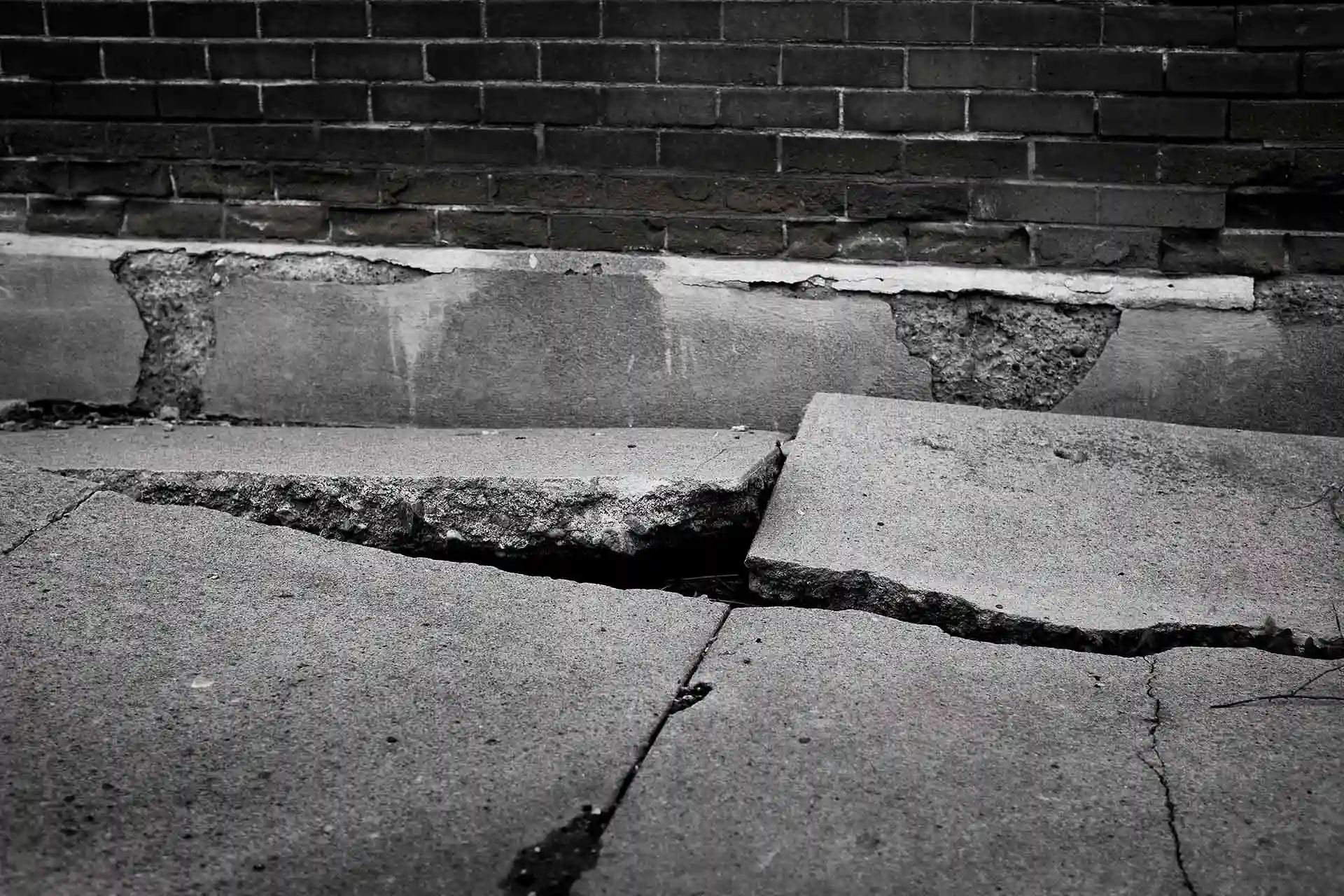
- Damaged exterior walking surfaces
Not every fall makes the store responsible. A successful claim generally requires evidence connecting a dangerous condition to the accident and establishing a legal basis for holding the store liable.
Produce Sections Can Create Slippery Conditions
Produce departments require frequent attention because customers constantly pick up and move fruits and vegetables. Grapes, leafy greens, pieces of fruit, water, and other material can fall onto the floor and create a slippery surface that may be difficult for another shopper to notice.
When we investigate a fall in a produce section, we want to know how the hazard got there and how long it remained. If an employee created the condition or saw it before the accident, the store may have actual notice. If another customer dropped the item, we may need evidence showing that it remained long enough that reasonable inspections should have discovered it.
Surveillance footage, inspection logs, employee activity, photographs, and witness statements can help answer those questions. Instead of assuming the store was negligent simply because a fall occurred, we build a timeline around the available evidence.
Prepared-Food Areas Require Regular Attention
Whole Foods is different from many grocery stores because prepared foods and self-service areas can be a significant part of the shopping experience. Food, sauces, ice, drinks, and other substances can reach the floor as customers serve themselves or carry items through the area.
These conditions may require regular monitoring because spills can develop throughout the day. The location of a hazard, customer traffic, cleaning procedures, and how frequently employees inspect the area can all become relevant after an accident.
We may request surveillance footage, cleaning logs, incident reports, and other records showing what happened before the fall. If employees knew about a spill but failed to address it, or if the evidence shows the condition remained despite reasonable opportunities to discover it, those facts may support a premises liability claim.
Refrigerators and Freezers Can Cause Wet Floors
Refrigeration equipment can create puddles because of leaks, condensation, drainage problems, or mechanical issues. Water near a refrigerator or freezer can be especially difficult to see on a smooth or reflective grocery store floor.
These accidents may involve evidence beyond ordinary cleaning records. We can investigate maintenance and repair records to determine whether the equipment had previous problems, when it was last serviced, and whether employees knew that it was leaking.
A recurring equipment problem can be particularly important when establishing notice. If records show that the same cooler had leaked before or required repeated repairs, that information may help explain why the dangerous condition existed and whether reasonable steps were taken to correct it.
Wet Entrances Can Cause Falls During Philadelphia Weather
Rain, snow, and slush can quickly create wet floors at a busy grocery store entrance. Customers continuously track moisture inside, while floor mats can become saturated, move out of place, or curl along the edges.
Whole Foods cannot prevent every drop of water from entering the building. The legal question is generally whether reasonable steps were taken under the circumstances to monitor and address a dangerous condition.
We may look at how frequently the entrance was inspected, whether mats were properly positioned, whether accumulated water was removed, and whether warning signs were used when necessary. Surveillance footage may also help establish how the entrance was being maintained before the fall occurred.
Stocking Activity Can Create Trip Hazards
Grocery shelves require constant restocking, particularly during busy shopping periods. Boxes, carts, products, and other stocking equipment may temporarily enter areas customers use to walk through the store.
A customer can trip when an unexpected object extends into an aisle or merchandise is left on the floor. When a store employee created the obstruction, the notice analysis may be different from a case involving a spill caused moments earlier by another shopper.
Photographs and surveillance footage can help establish where the obstruction was located and how long it remained there. We may also examine employee activity and store records when determining whether the condition should have been removed before the accident.
Whole Foods Must Have Notice of Many Hazards
One of the central issues in a Pennsylvania grocery store slip and fall claim is often whether the store knew or should have known about the dangerous condition. The evidence needed depends partly on who created the hazard.
Actual notice may exist when an employee sees a spill, receives a complaint, or otherwise becomes aware of the problem. Constructive notice generally involves showing that a condition remained long enough that the store should have discovered it through reasonable inspections.
There is no universal amount of time that automatically proves constructive notice. We investigate the circumstances surrounding the individual accident, including surveillance footage, cleaning and inspection procedures, employee activity, witness statements, and the type of hazard involved.
Evidence Can Disappear Quickly After a Grocery Store Fall
A grocery store accident scene can change within minutes. Employees clean spills, pick up food, move boxes, replace floor mats, and repair equipment. By the time an injured shopper returns to the store, the condition that caused the accident may be completely gone.
Surveillance footage can be especially useful because it may show when the hazard appeared and what happened before the fall. However, video may eventually be overwritten or deleted as part of a store’s normal system.
When appropriate, we can send preservation requests seeking relevant video and other records. Evidence we may investigate includes:
- Surveillance footage
- Store incident reports
- Cleaning and inspection logs
- Maintenance and repair records
- Photographs and video from the scene
- Witness statements
- Prior reports involving the same condition
- Medical records and bills
- Employment records documenting lost wages
The sooner an investigation begins, the better the opportunity may be to preserve evidence before it disappears.
Steps to Take After a Whole Foods Slip and Fall
Seek medical attention when you are injured in a fall. Some injuries are immediately obvious, while pain, swelling, or other symptoms may become more noticeable later. Medical records can document your injuries, symptoms, and treatment after the accident.
Report the fall to Whole Foods management if your condition allows it. Ask whether an incident report will be completed and how you can obtain information about it. Give the basic facts, but avoid guessing about how long a hazard existed or accepting responsibility when you do not know exactly what happened.
Photograph the dangerous condition and surrounding area before it changes, if you can safely do so. Gather contact information from anyone who witnessed the fall or saw the hazard beforehand. You should also preserve your shoes and clothing and keep records of medical bills, missed work, and other losses connected to the accident.
Be Careful With Insurance Company Statements
Whole Foods or an insurance company may contact you after the accident and ask questions about how you fell, what you were doing, and how badly you were injured. A request for a recorded statement may sound routine, but what you say can later become part of the dispute over liability or damages.
You do not need to exaggerate or hide information. However, you should also avoid guessing about facts you do not know or minimizing injuries that are still being evaluated.
Our attorneys can handle communication with the insurance company and provide the records needed to support the claim. That allows the case to be presented through documented evidence rather than an off-the-cuff statement given shortly after an accident.
Comparative Negligence Can Affect a Whole Foods Claim
Whole Foods or its insurer may argue that you were partly responsible for your fall. They might claim the hazard was visible, that you were distracted, or that you should have avoided the dangerous condition.
Pennsylvania follows modified comparative negligence rules. Partial responsibility does not necessarily prevent an injured person from recovering compensation, although damages can be reduced based on the percentage of fault and recovery can be barred if the injured person’s negligence exceeds the legal threshold.
We examine the evidence behind any allegation of comparative negligence. The size and appearance of the hazard, lighting, warning signs, nearby displays, surveillance footage, witness statements, and other conditions may help establish whether you had a reasonable opportunity to recognize the danger.
Grocery Store Falls Can Cause Serious Injuries
A fall onto a hard grocery store floor can cause fractures, sprains, torn ligaments, head injuries, and back or neck injuries. Depending on how someone lands, the injuries may require emergency care, surgery, physical therapy, medication, or other medical treatment.
The effects can extend beyond medical appointments. An injured person may miss work, need help with household responsibilities, struggle to care for children, or be unable to participate in activities that were part of everyday life before the accident.
We use medical records and other documentation to show how the injuries affect the individual client. The goal is to present the full impact of the accident rather than reducing the claim to a stack of medical bills.
Compensation After a Whole Foods Slip and Fall
When negligence causes a Whole Foods fall, compensation may be available for economic and non-economic losses. Depending on the circumstances, damages may include medical expenses, future medical care, lost wages, reduced earning capacity, physical pain, and other supported losses.
Future losses can become especially important after a serious injury. If additional treatment is reasonably expected or the injuries affect someone’s ability to work, those consequences should be considered when evaluating the claim.
There is no standard settlement amount for a grocery store slip and fall. The available evidence, severity of the injuries, medical treatment, financial losses, future effects, and any comparative negligence arguments can all affect the value of an individual case.
Pennsylvania Generally Gives You Two Years to File
Pennsylvania generally has a two-year statute of limitations for lawsuits seeking damages for injuries caused by negligence. Certain circumstances can affect how a deadline applies, so we evaluate the filing period based on the facts of each case.
The legal deadline is only one reason not to wait. Evidence inside a grocery store can disappear much sooner. Surveillance footage may be overwritten, food and liquids are cleaned, equipment gets repaired, and witnesses become harder to locate as time passes.
Getting our attorneys involved early allows us to investigate while more information may still be available. We can also determine the filing deadline that applies and make sure a lawsuit is filed on time when litigation becomes necessary.
Our Attorneys Focus on Premises Liability Claims
Philly Slip and Fall Guys focuses on slip, trip, and fall cases involving unsafe property conditions. With more than 23 years of experience, we understand the evidence that can matter when a grocery store disputes responsibility for an accident.
We look beyond the fact that someone fell. Our investigation may involve surveillance footage, incident reports, inspection records, cleaning logs, equipment maintenance, photographs, witness statements, and other evidence showing how the dangerous condition developed and whether Whole Foods had an opportunity to address it.
We can also handle communication and negotiations with the insurance company while you focus on treatment. If a fair settlement cannot be reached and the evidence supports litigation, we can discuss filing a lawsuit and the steps involved in taking the case to court.
No Attorney Fees Unless We Recover Compensation
We handle qualifying Whole Foods slip and fall claims on a contingency fee basis. You do not pay attorney fees upfront, and our fee comes from the recovery if we obtain compensation for you.
Your initial consultation is free. We can discuss where the accident occurred, what caused your fall, whether you reported it, what evidence you have, and the medical treatment you have received.
After reviewing those details, we can explain what additional evidence may need to be gathered and whether the circumstances support moving forward with a claim. There is no attorney fee for the consultation and no obligation to hire our firm.
Frequently Asked Questions
What should I do after slipping and falling at Whole Foods?
Seek medical care if you are injured and report the accident to Whole Foods management if your condition allows it. Ask whether an incident report will be completed, photograph or record the dangerous condition and surrounding area before it changes, and gather contact information from anyone who witnessed the fall or saw the hazard beforehand. Preserve your shoes and clothing, keep records of your medical treatment and accident-related expenses, and avoid guessing about fault when speaking with store representatives. Because surveillance footage and other grocery store records may not be kept indefinitely, contacting an attorney promptly can also help with evidence preservation.
What do I have to prove in a Whole Foods slip and fall case?
A fall inside Whole Foods does not automatically mean the store is liable. Depending on how the hazard developed, we may need evidence showing that Whole Foods created the dangerous condition, actually knew about it, or should have discovered it through reasonable inspections. We must also connect that condition to the fall and establish the injuries and losses caused by the accident. Surveillance footage, photographs, witness statements, cleaning records, maintenance documents, incident reports, and medical records can all become important evidence.
How can we prove Whole Foods knew about a spill?
Actual notice may be established when an employee saw the spill, received a report about it, or otherwise knew it existed before the accident. Constructive notice can involve evidence showing that the spill remained long enough that reasonable store inspections should have discovered it. Surveillance footage may establish when the spill occurred and whether employees passed through the area, while cleaning logs, inspection records, incident reports, and witness statements may provide additional information. The evidence needed depends on the circumstances surrounding the individual fall.
What if there was no warning sign near the wet floor?
The absence of a warning sign may be relevant, but it does not automatically prove negligence. We still need to investigate whether Whole Foods created or knew about the wet floor, how long the condition existed, and whether the store had a reasonable opportunity to clean the area or warn customers. Photographs showing the lack of warnings can be useful evidence, particularly when combined with surveillance footage, witness statements, and store records establishing what employees knew before the accident.
How long do I have to file a Whole Foods slip and fall lawsuit in Pennsylvania?
Pennsylvania generally provides two years to file a lawsuit seeking damages for injuries caused by negligence, although certain circumstances can affect the deadline. Waiting can create problems long before the statute of limitations expires because surveillance footage may be overwritten, store conditions change, and witnesses become harder to locate. An early investigation gives us more opportunity to preserve evidence while also allowing us to determine the filing deadline that applies to your specific claim.
What compensation can I seek after a Whole Foods fall?
Available compensation depends on the injuries and circumstances of the accident. A claim may include medical expenses, reasonably anticipated future medical treatment, lost wages, reduced earning capacity, physical pain, and other economic or non-economic losses supported by the evidence. The strength of the liability case, medical documentation, recovery time, effect on everyday life, and any comparative negligence allegations can all affect the value of a claim. We evaluate those factors together rather than relying on a generic average settlement amount.
How can a Philadelphia Whole Foods slip and fall attorney help me?
We can investigate how the accident occurred, seek surveillance footage and incident reports, review cleaning and inspection procedures, obtain maintenance records when equipment may have contributed to the fall, interview witnesses, and evaluate whether Whole Foods had actual or constructive notice of the hazard. We can also document your injuries and financial losses, communicate with the insurance company, respond to efforts to shift blame, negotiate for compensation, and file a lawsuit when appropriate. Throughout the case, we explain the evidence and your options so you understand what is happening and can make informed decisions.
Talk to a Philadelphia Whole Foods Market Slip and Fall Attorney
Evidence from a grocery store accident can disappear quickly. Spills are cleaned, food is picked up, stocking materials are moved, equipment is repaired, and surveillance footage may eventually be overwritten. Starting an investigation early gives us a better opportunity to determine what happened before important evidence is lost.
Our attorneys at Philly Slip and Fall Guys have more than 23 years of experience with premises liability and slip, trip, and fall claims. If you were injured because of a wet floor, dropped produce or food near a self-service area, leaking refrigeration equipment, unsafe flooring, or another dangerous condition at a Philadelphia Whole Foods, we can review what happened and explain your options.
Call 215-268-6898 for a free consultation with a Philadelphia Whole Foods Market slip and fall attorney. You pay no attorney fees unless we recover compensation for you.

I offer services to permanently remove fake, bad, and negative reviews or link from Google Business profiles. All my contact info is right on my profile - hit me up. After work you can pay..
Keith Kofsky is the best lawyer that I have ever had in my entire life. He helped me when other lawyers dropped my case. He really did a great job and came through for me.
Keith Kofsky is a professional and caring lawyer that will go to great lengths to assist you. Keith took every call I made or called me back quickly. His extensive knowledge of the law for fall victims was so impressive and made me feel secure with the frightening task of pursuing a lawsuit. If you ever need to find an experienced and knowledgeable lawyer to help you, Keith Kofsky should be the first one to call.
I recently had a consultation with Keith Kofsky in regards to a slip and fall incidents. He was very professional, not only he sent me an email to follow up, but also he answered my multiple calls whenever I needed his help. I felt he genuinely cares about his clients. Thank you Keith for taking your time to explain my legal options, and provided much needed advice on a short time period. You made me feel valued and cared.
Keith and his associates were the best to work with. Never getting tired of my constant calls and questions. Till everything was completed, they were like my extended family. I highly recommend Keith and his crew, especially Lisa because I drove her bonkers!! Love you guys
Keith Kofsky was very prompt in getting back to me after receiving my request for a consultation. Although he was not able to help with my issue, he took the time to explain the particulars of my incident. His attentiveness was much appreciated.
Keith and his team were exceptional in handling my mother's case after she slipped and fell in Philadelphia while on vacation. From day one, they were compassionate, responsive, and highly knowledgeable. They guided us through every step, ensuring she received proper care while fighting for a fair settlement. Their dedication and attention to detail made a stressful situation much easier. My mother got the justice she deserved, thanks to Keith and his team. Highly recommend!
Great lawyer he listens, he gives the great advice pretty fair overall most importantly he works for you
Keith was an amazing lawyer and made sure I understood everything and the process of everything and his staff was very helpful as well ..thanks again Keith and staff
I was very happy with the service and dedication Attorney Kofsky and his team provided. I highly recommend his practice for anyone looking for legal help.
Took over are case from a another layer greet results thank Keith
My name is John, Mr Kofsky is the attorney you call when you need a lawyer in Philadelphia. He is well versed in the law and gives information straight and puts you at ease as a client He works hard and listens to you… we had some challenges but were very successful in the end… the staff is professional and courteous and always respond quickly via phone call or email I strongly recommend Mr Kofsky and you won’t be disappointed in the least