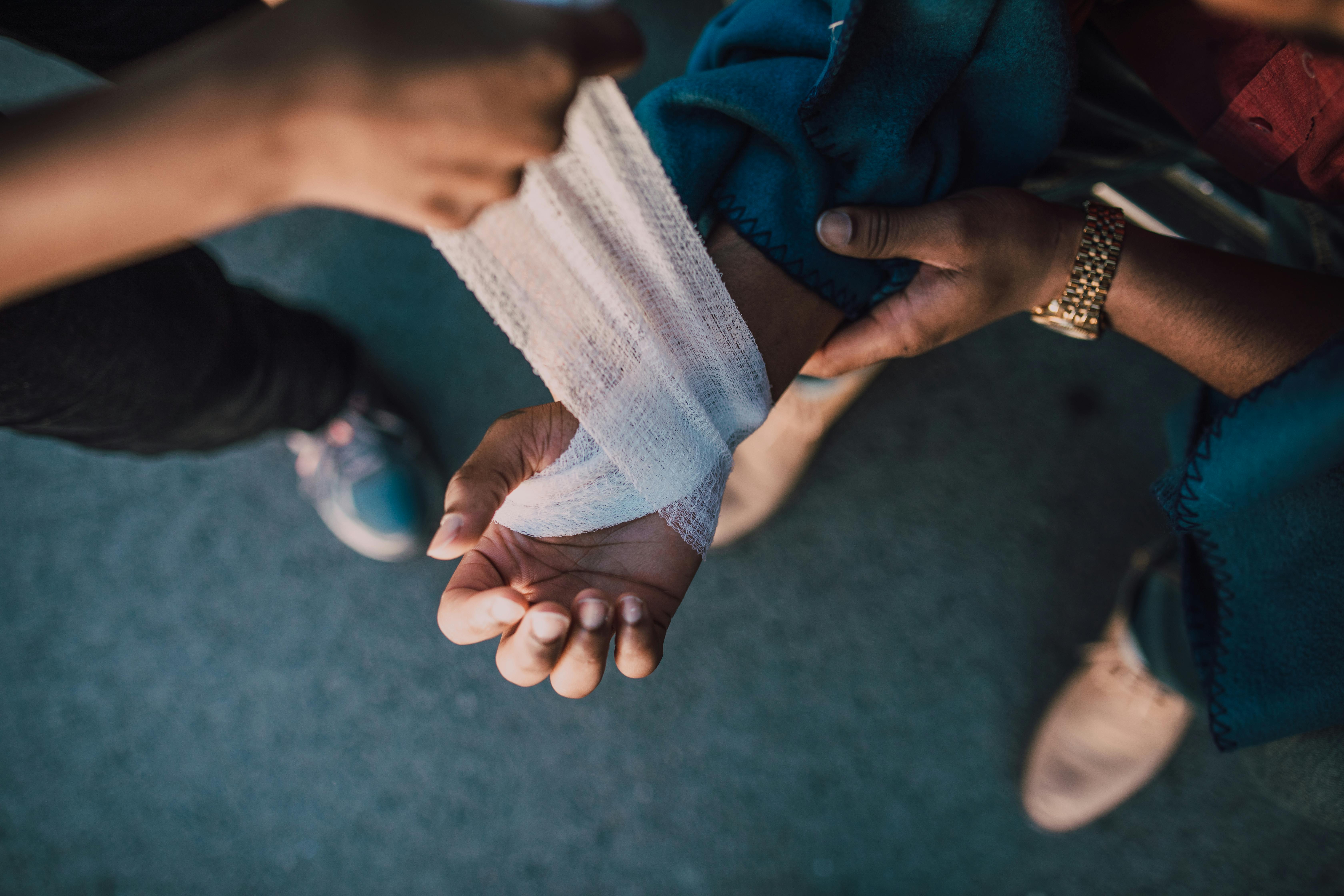
Getting hurt on someone else’s property can happen in a split second. You’re walking through a grocery store when you slip on a wet floor. You trip over a broken step at an apartment building. You fall in a parking lot because of a pothole. These accidents can leave you with serious injuries, medical bills, and lost time at work. But when do property owners have to take responsibility for these injuries?
In Pennsylvania, property owners have a legal duty to keep their spaces safe for people who visit. This doesn’t mean accidents never happen. But it does mean that if someone gets hurt because the owner failed to fix a dangerous problem or warn people about it, that owner might have to pay for the damages. Understanding when property owners are liable can help you know your rights after an accident.
What Makes a Property Owner Responsible
Property owners must make sure their property is reasonably safe. This applies to all kinds of properties. Stores, restaurants, office buildings, apartment complexes, and even private homes all fall under these rules. The owner’s job is to find hazards and either fix them or put up warnings so people can avoid getting hurt.
But property owners aren’t automatically responsible every time someone gets injured. The law looks at whether the owner knew about the dangerous condition. If they knew about it and didn’t fix it, they can be held liable. The same applies if they should have known about the problem but didn’t check for hazards like they were supposed to.
Here’s what needs to be proven to hold a property owner responsible:
- The owner had a duty to keep the property safe
- The owner failed to meet that duty
- This failure directly caused the injury
- The injured person suffered real damages like medical bills or lost wages
Let’s say a store manager knows there’s a spill in aisle five but doesn’t clean it up or put out a warning sign. If someone slips in that spill an hour later, the store can be held liable because they knew about the danger and did nothing to fix it.
Different Types of Visitors Get Different Protection
Not everyone who steps onto a property has the same legal protection. Pennsylvania law puts visitors into different categories, and the level of care the owner owes depends on which category you fall into.
Invited Guests and Customers
People who are invited onto property get the highest level of protection. This includes customers at a store, guests at someone’s home, or clients visiting an office. Property owners must actively look for dangers and keep their property safe for these visitors. They can’t just wait for someone to report a problem. They need to inspect the property regularly and fix issues before someone gets hurt.
For example, a grocery store needs to check the floors throughout the day for spills. They can’t just clean up spills after customers report them. If they’re not checking regularly and someone slips on a puddle that’s been there for hours, the store could be liable.
People Without Permission
Even people who weren’t supposed to be on the property still get some protection under the law. Property owners generally need to avoid creating dangerous traps or conditions that could seriously hurt someone. They can’t just ignore all safety concerns because someone wasn’t invited. However, the owner’s responsibility is lower than it would be for invited guests.
Common Ways People Get Hurt on Properties
Property accidents can happen in many different ways. Some of the most common include:
- Slip and fall accidents happen when floors are wet, slippery, or covered with debris. These often occur in grocery stores, restaurants, and parking lots where spills are common. A wet floor without warning signs or a freshly mopped area without barriers can lead to serious falls.
- Trip and fall accidents are different from slips. These happen when someone trips over an object or uneven surface. Common causes include items left in walkways, torn carpeting, broken sidewalks, or raised floor tiles that create a tripping hazard.
- Poor lighting creates dangers people can’t see coming. Dark stairwells, dim parking lots, or hallways without working lights make it hard to spot hazards. This can lead to falls, trips, or other accidents that proper lighting would have prevented.
- Broken or missing handrails on stairs leave people without support when they need it most. Stairs are already one of the most dangerous parts of any building. Without proper railings, the risk of serious falls goes up significantly.
- Unsafe swimming pools can cause drowning, diving injuries, or slips and falls around the pool deck. Pool owners must maintain proper fencing, keep the area clean, and fix broken equipment like diving boards or ladders.
- Dog bites fall under property owner liability, too. If someone’s dog bites a visitor on their property, the owner can be held responsible, especially if they knew the dog had aggressive tendencies.
- Elevator and escalator accidents happen when these machines aren’t properly maintained. Sudden stops, jerky movements, or doors that close too quickly can all cause injuries.
How Pennsylvania Law Protects Injured People
Pennsylvania has laws designed to protect people who get hurt because of someone else’s carelessness. When a property owner’s failure to keep their space safe leads to an injury, the injured person may be able to get compensation. This compensation can cover several types of damages.
- Medical bills are usually the first thing people think about after an injury. This includes emergency room visits, hospital stays, surgery costs, medication, physical therapy, and any ongoing treatment needed. Even future medical expenses can be included if the injury requires long-term care.
- Lost wages matter too. If you miss work because of your injuries, the property owner may have to pay for those lost paychecks. This also covers lost earning capacity if your injuries prevent you from doing your job the same way you did before.
- Pain and suffering compensation recognizes that injuries cause more than just financial harm. Physical pain, emotional distress, and reduced quality of life all count as real damages that deserve compensation.
Shared Responsibility Under Pennsylvania Law
Pennsylvania follows something called comparative negligence. This means even if you were partly at fault for your accident, you can still get compensation. The amount you receive just gets reduced based on how much you contributed to the accident.
Here’s how it works. Say you’re texting while walking through a store and don’t notice a wet floor sign that’s posted. You slip and get hurt. A court might decide the store was 70 percent responsible for not cleaning up the spill quickly enough, but you were 30 percent responsible for not watching where you were going. Your compensation would be reduced by 30 percent.
This system makes sure property owners still have to take responsibility even when the injured person made a mistake. It also recognizes that accidents sometimes involve more than one person’s actions.
Steps to Take After Getting Hurt on Someone’s Property
What you do right after an accident can make a big difference if you later file a claim. First, get medical attention. Even if you don’t think you’re badly hurt, some injuries don’t show symptoms right away. Seeing a doctor creates a record of your injuries that links them to the accident.
Document everything you can about the scene. Take photos of what caused your fall, whether it’s a wet floor, broken step, or poor lighting. Get pictures from different angles. If there were no warning signs posted, photograph that too. The property owner might fix the problem or put up signs after your accident, so capturing the scene right away matters.
Get contact information from anyone who saw what happened. Witnesses can back up your version of events if the property owner tries to deny responsibility. Write down their names and phone numbers while you’re still at the scene if possible.
Report the accident to the property owner or manager immediately. Many businesses have accident report forms they’re supposed to fill out. Make sure you get a copy of this report. If it’s a smaller property without formal procedures, still tell the owner what happened. This creates an official record that the accident occurred.
Keep all your medical records, bills, and receipts. Save documentation of any time you missed from work. These papers prove your damages when it comes time to seek compensation.
Don’t give a recorded statement to the property owner’s insurance company without talking to a lawyer first. Insurance adjusters often try to get you to say things that hurt your claim. They might ask leading questions or try to get you to downplay your injuries.
When You Need Legal Help
Property liability cases can get complicated fast. Property owners and their insurance companies have lawyers working to pay you as little as possible. They might argue you were mostly at fault, or that your injuries aren’t as bad as you claim, or that they didn’t know about the hazard that hurt you.
Having someone on your side who knows Pennsylvania premises liability law makes a real difference. A lawyer can investigate what happened, gather evidence, talk to witnesses, and build a strong case. They can deal with the insurance companies, so you don’t have to worry about saying the wrong thing or accepting a settlement that’s too low.
The team at Philly Slip and Fall Guys has helped many people who were hurt on someone else’s property. We understand how these cases work and what it takes to prove the property owner was at fault. We know what evidence matters and how to show that your injuries deserve fair compensation.
We work on a contingency basis, which means you don’t pay anything unless we win your case. We handle all the legal work while you focus on recovering from your injuries. And we don’t settle for less than what you deserve.
If you or someone you care about was injured on someone else’s property, don’t wait to get help. Pennsylvania has time limits for filing these claims. The sooner you call, the sooner we can start building your case. Contact Philly Slip and Fall Guys at 215-268-6898 for a free consultation. We’ll review what happened, explain your legal options, and help you decide on the best path forward.