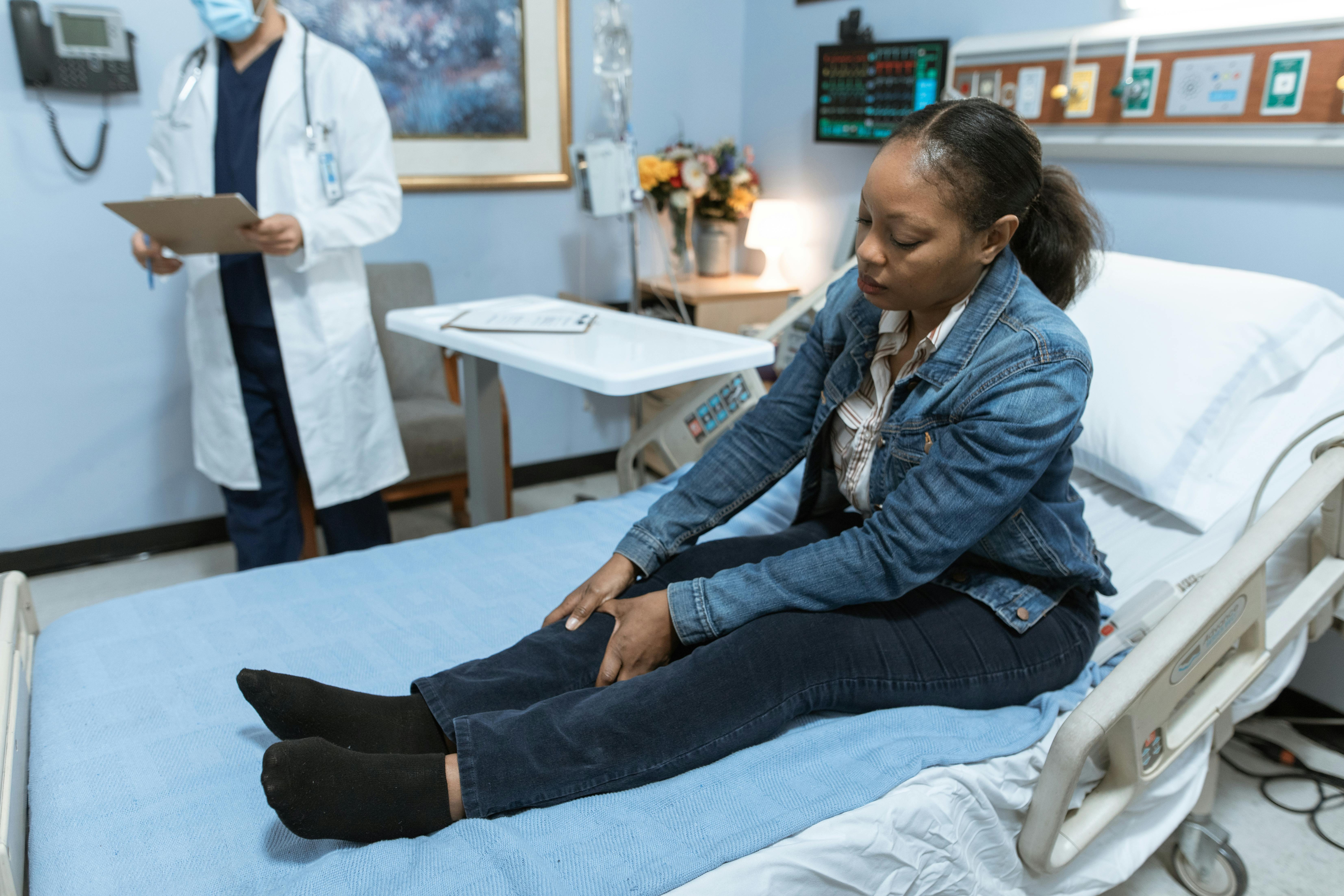
You might be replaying the night over and over in your mind. Maybe it was a happy hour that went on a little longer than planned, a date night at a Center City restaurant, or a game on TV at your neighborhood bar. You had a few drinks, you got up to use the restroom or head outside, your foot hit something slick, and suddenly you were on the floor, in pain and embarrassed.
Now you are stuck between two heavy thoughts. On one side, you know the floor was wet, the lighting was bad, or the steps were broken. On the other side, you keep hearing that nagging voice. “But I had been drinking. Is this my fault? Do I even have a case in Philadelphia if I’d been drinking?”
The short answer is that drinking does not automatically destroy a slip and fall claim in Pennsylvania. Bars and property owners still have legal duties to keep people reasonably safe. Alcohol does change how the law looks at “fault,” though, and it can reduce what you can recover. The real question is not “Were you drinking?” but “Did the property owner fail to act reasonably, and how much did alcohol truly contribute to what happened?”
So where does that leave you? It means your situation is complicated, but not hopeless. It means you should understand how premises liability and comparative fault work in Philadelphia, and how those rules apply when alcohol and bars are involved.
How Does Drinking Affect a Slip and Fall Claim in Philadelphia?
In Pennsylvania, premises liability law says that property owners, including bars, restaurants, and stores, must keep their places reasonably safe for people who are allowed to be there. That includes cleaning up spills, fixing broken steps, using handrails, and warning about hazards they know about or should know about.
When alcohol is part of the story, two big legal ideas come into play. Premises liability and comparative negligence. Premises liability focuses on what the property owner did or failed to do. Comparative negligence looks at your own actions and how they contributed to the accident.
Pennsylvania follows a “modified comparative negligence” rule. If you are more than 50 percent at fault, you cannot recover money for your injuries. If you are 50 percent or less at fault, you can still recover, but your compensation is reduced by your percentage of fault. So if a jury finds that you were 30 percent responsible because you were impaired, and the bar was 70 percent responsible because they left a puddle of beer on the tile floor with no warning sign, your damages would be cut by 30 percent.
Because of this tension, you might wonder how alcohol actually gets used against you. Defense attorneys and insurance companies will often push hard on any evidence of drinking. They may point to your bar tab, witness statements that you seemed tipsy, or even surveillance video. Their goal is to shift as much blame as possible away from the property owner and onto you.
At the same time, there are rules for bars and restaurants that serve alcohol. Pennsylvania liquor laws and enforcement standards, described by the state’s Liquor Control Board, explain what licensed establishments are supposed to do, including not overserving visibly intoxicated patrons. You can read more about those rules through the state’s information on liquor licensing and enforcement.
What About Dram Shop Liability and Overserving in Pennsylvania?
You may have heard the term “dram shop liability.” It refers to the responsibility bars and restaurants can face for serving alcohol to someone who is visibly intoxicated, who then goes on to harm themselves or others. Many people think of drunk driving when they hear this, but overserving can matter in a slip and fall case too.
Research from Pennsylvania legal scholars has examined how alcohol service and liability interact, including how establishments can be held accountable when they overserve. For example, Temple University has discussed the effects of alcohol service and dram shop liability on injury cases. This kind of work helps shape how courts and insurers look at responsibility when alcohol is involved.
In practical terms, if a bar in Philadelphia serves someone who is clearly intoxicated, watches them stumble around on a wet floor, and never cleans up or warns about the spill, that bar can still be held liable for a fall. Your drinking does not give them a free pass to ignore obvious dangers.
On the other hand, if you were very intoxicated, ignored warnings, or climbed over a barricade, your own share of fault may be higher. Courts and juries look closely at both sides. How dangerous was the condition? How long had it been there? What did the staff do? How impaired were you? Were there cameras or witnesses? These details matter.
Scholarly work in Pennsylvania has also looked closely at how comparative negligence plays out in real-world cases, including how fault is divided between injured people and property owners. For example, the University of Pittsburgh Law Review has discussed how these doctrines affect recovery in civil cases, which you can see in their analysis of negligence and fault allocation.
Comparing Scenarios: When Does Drinking Matter Most in a Slip and Fall?
It can help to see how these rules play out in everyday situations. The goal is not to judge you. It is to understand where your case might stand and where a bar or property owner might still be held responsible.
| Scenario | Alcohol Involved? | Property Condition | Possible Fault Split | What This Could Mean |
|---|---|---|---|---|
| Wet bar floor near the counter, no warning sign, multiple people have slipped there that night | Yes, you had several drinks but could walk and talk normally | Visible puddle, poor lighting, staff knew but did not clean | Bar 70% / You 30% (example only) | You may still pursue a slip and fall claim in Philadelphia after drinking. Your recovery might be reduced, but the bar’s negligence is clear. |
| Broken step on a dark outdoor stairway at an apartment building | Yes, you had a drink at dinner, not intoxicated | Step had been broken for weeks, no repair, no warning tape | Owner 90% / You 10% (example only) | Your light drinking would likely matter very little. This looks like a strong premises liability case. |
| Climbing over a closed-off section of a bar’s rooftop area | Yes, very intoxicated, stumbling, slurred speech | Area was clearly roped off with warning signs | You 70% / Bar 30% (example only) | Your claim might be weak, or barred completely if you are found more than 50% at fault. |
These numbers are not predictions. They are examples of how comparative negligence works. The key point is that drinking changes the conversation, but it rarely ends it.
What Should You Do Right Now If You Fell After Drinking?
So where does that leave you today, with your injuries, medical bills, and worry about whether anyone will take you seriously because alcohol was involved?
You do not have to figure this out alone. There are concrete steps you can take that protect you and your potential slip and fall case, even if the night involved drinking.
1. Get medical care and be honest with your providers
First, focus on your health. Get evaluated as soon as you can, even if the pain seems mild at first. Falls can cause hidden injuries, including concussions, spinal issues, or internal damage that shows up later.
Be truthful with your doctors about what happened, including that you had been drinking. Medical records that match your story are far better than records that raise questions because you tried to downplay the alcohol. Honest records can still support a strong claim where the property was unsafe.
2. Preserve evidence from the scene
If you can, or if a friend can help, gather what you can from the location.
- Photos of the area where you fell. Spills, broken flooring, poor lighting, missing handrails.
- Names and contact information of witnesses, including staff and other patrons.
- Any incident report the bar or property filled out.
- Receipts, timestamps, and any messages you sent right after the fall.
Evidence of a dangerous condition can balance out claims about your drinking. It shows that the property was not safe, regardless of whether you had alcohol.
3. Talk with a Philadelphia premises liability attorney before the insurance company
Insurance adjusters are trained to ask questions that push fault onto you. When they hear there was alcohol involved, they often lean on that hard. They may suggest the fall was your fault, or that you have no case at all.
Before you give a detailed statement, speak with a lawyer who handles premises liability and understands how Pennsylvania comparative fault works. A careful attorney will look at all the facts. How much you drank. How dangerous the property was. Whether the bar followed liquor laws. Whether your conduct truly caused the fall, or whether the condition would have tripped a sober person too.
Philly Slip and Fall Guys can review what happened, explain how comparative negligence might affect your claim, and help you avoid common mistakes that insurance companies use to reduce or deny payment.
You Are More Than One Bad Night. You Still Deserve Answers.
Having a few drinks does not mean you “asked for” a serious injury. It does not erase a bar’s obligation to clean up spills, fix hazards, and follow the rules. It also does not mean you should suffer in silence with medical bills, missed work, and pain because you are afraid someone will blame you.
Your situation is real. Your worry about being judged is real too. The law in Pennsylvania is built to look at the whole picture, not just one detail. The condition of the property, the choices the owner made, and your own actions all matter.
If you were hurt in a slip and fall in Philadelphia after drinking, you can talk through what happened in a private, judgment free conversation. Reach out to Philly Slip and Fall Guys for a free consultation. Call 215-268-6898 and get clear, grounded guidance about your options so you can decide what comes next with your eyes open, not clouded by fear or shame.