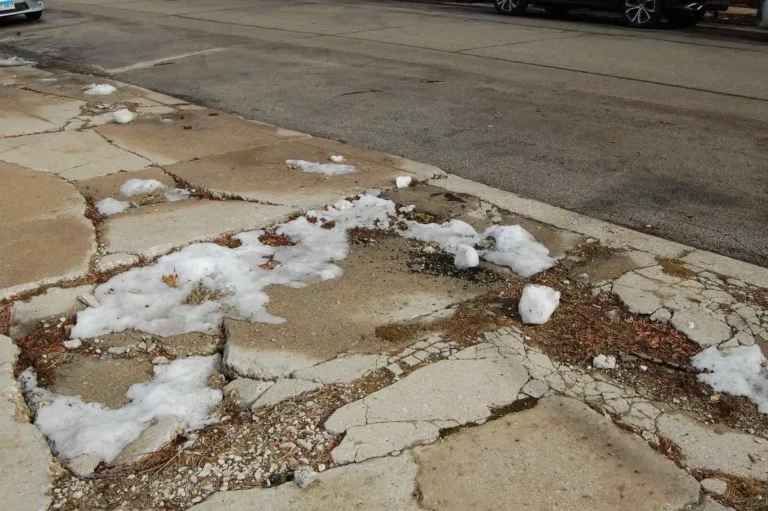
You might still replay that moment in your mind. One second you were walking through a store, a parking lot, or a South Philly sidewalk, and the next you were on the ground, hurting, embarrassed, and confused. At first it was about the physical pain. The bruises. Maybe a broken bone. Maybe surgery. Then, slowly, something else crept in. You started to notice how your heart races when you leave home, how you scan the ground for hazards, how the idea of walking in public in Philadelphia feels terrifying.
It can feel like your life split into two parts. Before the fall, when you moved around the city without thinking. After the fall, when every step feels like a risk. That shift alone is exhausting. It is common after a serious slip and fall to develop anxiety, symptoms of PTSD, or a deep fear of going out in public. You are not being dramatic. Your brain is trying to protect you from being hurt again.
So where does that leave you? In simple terms, you may be dealing with two battles at once. The medical and legal impact of a premises liability accident, and the emotional fallout that no one sees. The good news is that both can be addressed. You can get support for your mental health, and you can hold a negligent Philadelphia property owner accountable through a premises liability claim if their carelessness led to your fall.
Why does a “simple” fall turn into anxiety, PTSD, and fear of walking in public?
A serious fall is not just an accident. It is a trauma. Your body hits the ground. There is sudden pain. People may stare. You might feel helpless, confused, or even humiliated. Your brain stores all of that, and for some people, it keeps replaying it.
After a slip and fall, you might notice:
- Racing thoughts when you step outside or near the place you fell
- Nightmares or flashbacks of the accident
- Feeling “on edge” in stores, parking garages, or on sidewalks
- A strong urge to avoid walking in public or being alone
- Shame, self-blame, or anger at the property owner
The National Institute of Mental Health explains that reactions to traumatic events can include anxiety, trouble sleeping, and avoiding reminders of what happened. You can read more about common responses and coping tools from the NIMH on coping with traumatic events.
Because of all this tension, you might wonder if what you are feeling is “normal” or if it has crossed into PTSD. The Department of Veterans Affairs, which has done decades of research on trauma, notes that PTSD often involves intrusive memories, avoidance, negative changes in mood, and feeling constantly on guard. Their resource on coping with stress reactions can help you recognize patterns you might be experiencing.
None of this means you are weak. It means the fall was serious enough that your mind and body are still trying to understand that you are safe again.
How does a slip and fall become a legal and emotional burden at the same time?
When you are afraid to walk in public after a Philadelphia slip and fall, it affects more than your mood. It touches your work, your family, and your independence. That is where the legal side and the emotional side start to overlap.
Imagine this. You fell on a wet grocery store floor with no warning sign. You fractured your wrist and tore ligaments in your knee. Months later, you still avoid that store. You now avoid all large stores. Getting groceries means ordering delivery, which costs more. You miss work because you cannot face taking the train or walking several blocks from the parking lot. Your world shrinks, and so does your income.
This is the hidden cost of a premises liability accident. The property owner’s negligence did not only cause medical bills. It disrupted your sense of safety. It limited where you feel you can go. It may have strained your relationships if others do not fully understand why you are so afraid to walk around the city.
Under Pennsylvania premises liability law, when a property owner or business fails to keep their property reasonably safe and you are injured because of it, you may have the right to seek compensation. That can include:
- Medical bills for emergency care, follow-ups, and physical therapy
- Treatment for anxiety, PTSD, or other emotional trauma
- Lost wages or reduced earning capacity
- Pain, suffering, and loss of enjoyment of life
So while your emotional pain feels deeply personal, it is also part of the overall harm caused by the unsafe condition. That is important because it means your mental health matters in your claim. It is not an afterthought.
Should you “push through” on your own or seek professional help and legal support?
People often tell themselves to “just get over it.” They avoid talking about the fear of walking in public because it sounds small compared to a broken bone. Yet anxiety and PTSD symptoms can linger long after the physical injuries heal. The Centers for Disease Control and Prevention offers guidance on managing difficult emotions, and one clear message is that support and coping strategies matter.
So what is the difference between trying to handle everything alone and reaching out for both emotional and legal help after a Philadelphia slip and fall injury? The comparison below may help.
| Approach | Short-Term Impact | Long-Term Impact | Real-Life Example |
|---|---|---|---|
| Handling anxiety and the claim on your own | Less immediate cost. You avoid talking about painful details. You may try to ignore symptoms. | Risk of untreated PTSD or anxiety. Possible low insurance settlement that does not cover therapy or lost income. | You accept a quick offer that covers only ER bills. Months later, you are still afraid to go out, but you cannot afford counseling. |
| Seeking mental health treatment but no legal help | You get emotional support and coping tools. Symptoms may become more manageable. | Ongoing treatment costs may strain your budget. You carry the financial burden of someone else’s negligence. | You see a therapist weekly, which helps, but credit card debt grows because you missed work during recovery. |
| Getting both therapy and premises liability legal support | You feel less alone. Professionals handle the claim while you focus on healing. | Better chance of compensation that includes mental health care, lost wages, and pain and suffering. | You work with a therapist and an attorney. The claim includes your PTSD diagnosis and fear of walking in public, supporting a stronger recovery. |
When you look at it this way, your emotional recovery and your legal options are connected. The more clearly your anxiety, PTSD, and fear of public places are documented, the easier it is to show the full impact of what happened to you.
Three immediate steps to protect your mind, your health, and your legal rights
So, what can you do right now, while the fear and uncertainty are still fresh?
1. Talk to a medical or mental health professional about your symptoms
Do not wait for things to “get bad enough.” If you notice panic when you go outside, trouble sleeping, or flashbacks, bring this up with your doctor or a therapist. Be specific. Tell them you are afraid to walk in public since your slip and fall. Ask them to note it in your records.
This helps you in two ways. You start getting tools to cope, such as grounding strategies, breathing exercises, or trauma-focused therapy. It also creates a clear record linking your anxiety or PTSD symptoms to the fall, which can be important for any premises liability claim.
2. Write down what happened and how your daily life has changed
Memories fade. Pain and fear become harder to explain as time passes. Take a few minutes to write out:
- Where and when the fall happened
- Who saw what happened and what they said
- How you felt immediately after and in the days that followed
- Specific situations you now avoid because of fear of walking in public
This is not about building a perfect legal document. It is about capturing your real experience. This personal record can help you speak more clearly with doctors, therapists, and a premises liability attorney. It also reminds you that the emotional fallout is real, not “all in your head.”
3. Reach out to a premises liability attorney who understands emotional trauma
You should not have to untangle liability laws, insurance tactics, and your own trauma at the same time. An experienced Philadelphia premises liability lawyer can review what happened, explain your rights, and take over communication with insurers so you do not have to relive the fall over and over in every phone call.
At Philly Slip and Fall Guys, the focus is on people who have been hurt on unsafe properties in and around the city. That includes those who are now living with anxiety, PTSD, and fear of walking in public because of someone else’s negligence. A conversation with an attorney can help you understand whether the property owner, a business, or another party may be responsible, and what kind of compensation might be available for therapy, medications, lost income, and your pain and suffering.
You can call 215-268-6898 to talk about what happened and learn about your options for a free consultation.
Moving from fear toward control after a Philadelphia slip and fall
Right now, it may feel like your world has shrunk to the size of your home, your pain, and your worry. A walk to the corner store feels as hard as a long journey used to feel. You might be frustrated with yourself for being so afraid, and at the same time, angry that a careless property owner created this new reality for you.
You deserve time, support, and resources to heal. That includes emotional support to manage anxiety and PTSD, and legal support to pursue accountability through a premises liability claim when the facts support it. You do not have to choose between caring for your mental health and standing up for your rights. You can do both.
If you are ready to talk about what happened and how it has changed your life, you can reach Philly Slip and Fall Guys at 215-268-6898 for a free consultation. One conversation can help you understand your options and take a small but meaningful step back toward feeling safe and in control again.