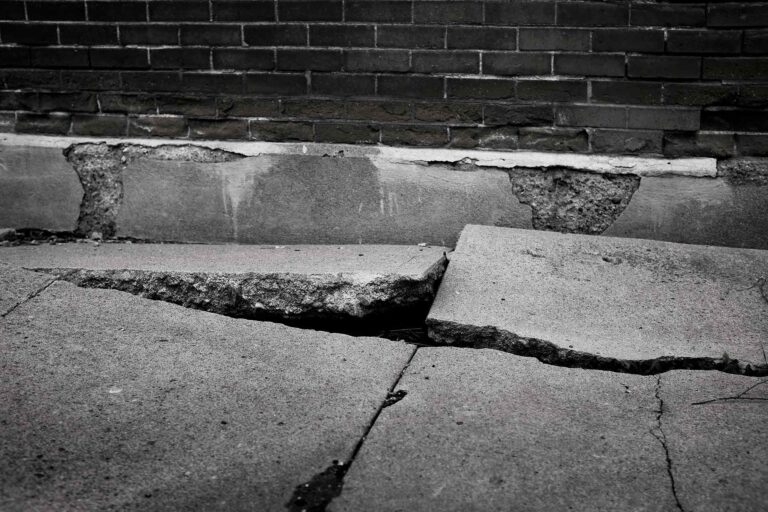
After a sudden fall, most people feel embarrassed. You might wonder if you just weren’t paying attention or if you were being careless. But when the ground beneath your feet is cracked, uneven, or slick with ice that was never cleared, that fall wasn’t your fault. It was the result of a property owner who didn’t do their job.
In Pennsylvania, property owners have a legal obligation to keep their land, buildings, and walkways safe for the people who use them. When they don’t, and you get hurt, the law gives you the right to hold them accountable. That’s what premises liability is all about.
Here’s what you need to know about poor property maintenance, how it causes serious trip and fall injuries, and what your rights are after getting hurt.
What Does “Poor Property Maintenance” Actually Mean?
Poor property maintenance means a property owner has failed to keep their property in a reasonably safe condition. This isn’t just about one cracked sidewalk. It covers a wide range of hazards that can build up over time when owners ignore repairs or skip routine upkeep.
Some of the most common examples include:
- Broken or uneven steps, damaged railings, and deteriorating flooring
- Cracked or uplifted pavement slabs, especially where tree roots have pushed concrete up over time
- Wet floors, cluttered walkways, or debris left where people walk
- Dim or broken lighting in parking lots, stairwells, and hallways
- Snow and ice that wasn’t cleared within a reasonable time after a storm
- Gym equipment, playground equipment, or building fixtures that haven’t been inspected or maintained
Any one of these conditions can cause a serious fall. And in many cases, the property owner knew about the problem, or should have, and did nothing.
Was It an Accident, or Was Someone Negligent?
This is one of the first questions people ask after a fall, and it matters a lot legally. Not every fall means someone was negligent. But when a property owner fails to fix a known hazard or take basic safety precautions, that’s a different story.
The Legal Concept of Duty of Care
Every property owner owes a “duty of care” to the people who come onto their property. That includes visitors, customers, and tenants. This duty means the owner is responsible for making sure the property is reasonably safe. When they fall short of that standard, they’ve breached their duty of care, and that breach is the foundation of a premises liability claim.
Your injury claim isn’t about getting a windfall. It’s about making sure someone else’s failure doesn’t leave you stuck with the medical bills, lost wages, and pain that came with it.
What Did the Owner Know, and When Did They Know It?
Proving negligence often comes down to one word: notice. There are two types that matter in these cases.
Actual notice means someone told the property owner about the hazard directly. A tenant reported a broken step. A customer complained about a slippery floor. The owner knew and still didn’t act.
Constructive notice is more common. This means the hazard had been there long enough that the owner should have found it during normal inspections and maintenance. A cracked sidewalk slab that’s been pushed up by tree roots for two or three years is a good example. A reasonable property owner would have spotted it and fixed it. If they didn’t, that’s constructive notice, and it can support your claim.
Who Is Responsible When You Get Hurt?
One of the more surprising parts of trip and fall cases is figuring out who is actually responsible. It’s not always obvious. The answer depends on where the fall happened and who owns or controls that piece of property.
Homeowners and Residential Properties
In many Pennsylvania municipalities, residential property owners are responsible for the sidewalks and walkways that run along their property. That includes repairing cracks, fixing uneven sections, and clearing snow and ice in a timely manner. If your neighbor’s crumbling sidewalk caused your fall, they may be the one liable.
Businesses and Commercial Properties
Businesses owe a high duty of care to anyone who comes onto their property, including the sidewalks and entryways leading up to their doors. A strip mall, office building, or retail store is responsible for making sure those access paths are free from hazards. Poor lighting in a parking lot, a pothole near the entrance, or an icy walkway that wasn’t salted can all result in serious falls and legal liability.
Government-Owned Property
When a fall happens on government property, like a city sidewalk, a park path, or near a public building, things get more complicated. Government bodies in Pennsylvania have certain legal protections under sovereign immunity laws, including the Pennsylvania Political Subdivision Tort Claims Act. These laws limit when and how you can sue a government entity.
One of the most important things to understand is that claims against government bodies require a formal notice of intent to be filed very quickly, sometimes within months of the injury. Missing that deadline, even by a short time, can permanently prevent you from recovering any compensation, no matter how clear the negligence was. This is one of the biggest reasons to contact an attorney as soon as possible.
Rental Properties
If you were hurt on the sidewalk or walkway of a rental property, liability depends on the lease agreement and Pennsylvania law. In most cases, the landlord or property owner holds ultimate responsibility for structural safety, including sidewalks and exterior walkways, even if a tenant handles day-to-day tasks like snow removal.
What Types of Hazards Actually Qualify as Negligence?
Not every imperfect surface will hold up as a negligence claim. The law looks for defects that pose a real and foreseeable risk to pedestrians. Minor cosmetic issues might not qualify, but significant structural problems usually do.
Recognizing a True Hazard
Here are some examples of sidewalk and property defects that are widely recognized as serious hazards:
- Pavement slabs that are uplifted more than half an inch
- Crumbling concrete or deep, wide potholes
- Unsecured cellar doors or utility covers set into a walkway
- Broken or missing handrails on stairs or ramps
- Uneven flooring or floor transitions inside a building
- Debris, wet floors, or objects left in pedestrian pathways
These aren’t small imperfections that someone should just step around. They represent real failures in maintenance that a property owner is expected to address.
Snow and Ice: When Does a Delay Become Negligence?
Pennsylvania property owners are legally required to clear snow and ice from their walkways within a reasonable time after a storm ends. Many cities and townships have local ordinances that define what “reasonable” means, sometimes setting a specific number of hours after snowfall ends.
If you slipped and fell on an icy patch two or three days after a storm, that delay could point directly to negligence. The property owner had enough time to clear the walkway and chose not to.
What to Do After a Trip and Fall Injury
What you do in the first hours and days after a fall can have a direct impact on your case. Evidence disappears quickly. Property owners sometimes rush to make repairs after an accident, and changing weather can erase conditions that contributed to your fall. Moving fast matters.
Document the Scene Right Away
If you can, or if you have someone with you who can help, gather as much evidence as possible at the scene. This documentation forms the factual backbone of your claim.
- Take clear photos of the hazard from multiple angles and distances
- Measure the depth of a pothole or the height difference between pavement slabs if you’re able
- Write down the exact time of day and the weather conditions
- Get the names and contact information of any witnesses
If a property owner later claims the hazard didn’t exist or wasn’t that bad, this evidence can directly contradict them.
Seek Medical Attention Immediately
See a doctor as soon as possible, even if you feel like your injuries might not be serious. When you do, be specific. Tell the doctor exactly what happened and describe every area of your body that hurts. Consistent medical records build an official timeline of your injuries, the treatment you received, and your recovery process. That timeline is part of proving the full extent of your damages.
Report the Incident
Make sure the property owner or manager is notified about the unsafe condition and that your report is documented in writing. An attorney can help make sure this is done properly so there’s a clear record that the hazard was brought to the owner’s attention.
Common Injuries from Trip and Fall Accidents
Trip and fall accidents can cause injuries that range from painful to life-altering. The most common ones we see include:
- Broken bones, particularly wrists, ankles, and hips
- Sprains and strains in joints and soft tissue
- Head injuries, including concussions
- Lacerations and bruising
- Back and spinal injuries
- Chronic pain and long-term disabilities
Hip fractures are especially serious for older adults and can lead to surgery, extended rehabilitation, and permanent changes in mobility. Head injuries, even when they seem minor at first, can develop into lasting neurological problems.
What to Expect from the Property Owner’s Insurance Company
After a fall, don’t be surprised if the property owner’s insurance adjuster contacts you quickly. They may sound friendly and understanding. But their job isn’t to make sure you’re taken care of. It’s to settle your claim for as little money as possible.
Watch Out for Recorded Statements
Adjusters are trained negotiators. They may ask you to give a recorded statement shortly after the accident, before you’ve had time to understand the full extent of your injuries. The questions they ask can be designed to get you to admit partial fault or downplay how much pain you’re in. Anything you say in that statement can be used against you later.
Don’t Accept a Quick Settlement
It’s common for insurers to offer a fast settlement while you’re still early in your recovery. It might feel like a relief to just resolve things and move on. But accepting that offer usually means signing away your right to any future compensation, even if your injuries turn out to be worse than expected or require additional treatment down the road. Wait until you understand the full scope of your injuries before accepting anything.
Frequently Asked Questions
What if the property owner repaired the hazard right after I fell?
A repair made shortly after your accident can actually work in your favor. It may suggest the owner recognized the condition was dangerous. This is exactly why your photos of the original hazard are so important. They preserve what the property looked like before anything was changed.
What if I don’t know who owns the property where I fell?
A personal injury attorney can identify the responsible party using public property records, tax maps, and other legal resources. Not knowing who to file a claim against isn’t a reason to give up. It’s something an attorney handles as part of building your case.
Can I still have a claim if I was partially at fault for the fall?
Pennsylvania follows a modified comparative negligence rule. That means you can still recover compensation even if you were partially at fault, as long as your share of the fault is less than 51 percent. Your total compensation would be reduced by your percentage of fault, but it wouldn’t eliminate your claim entirely.
Does it matter what type of visitor I was on the property?
Yes. Property owners owe the highest duty of care to invited guests, which includes customers and visitors. They also owe a duty to licensees, like social guests. Even in some cases involving trespassers, an owner can be held liable if they knew about a dangerous condition and failed to address it. The specifics depend on the circumstances.
Talk to Philly Slip and Fall Guys About Your Case
A trip and fall caused by someone else’s neglect shouldn’t leave you dealing with medical bills, lost income, and long-term pain on your own. You have rights, and the law in Pennsylvania gives you a way to hold negligent property owners accountable.
The team at Philly Slip and Fall Guys works with people who have been hurt due to poor property maintenance, unsafe sidewalks, and hazardous conditions that property owners failed to fix. We can review what happened, identify who is responsible, gather the evidence you need, and handle the legal process so you can focus on recovering.
Call us at 215-268-6898 for a free consultation. We’re here to help you understand your options and fight for the compensation you deserve.