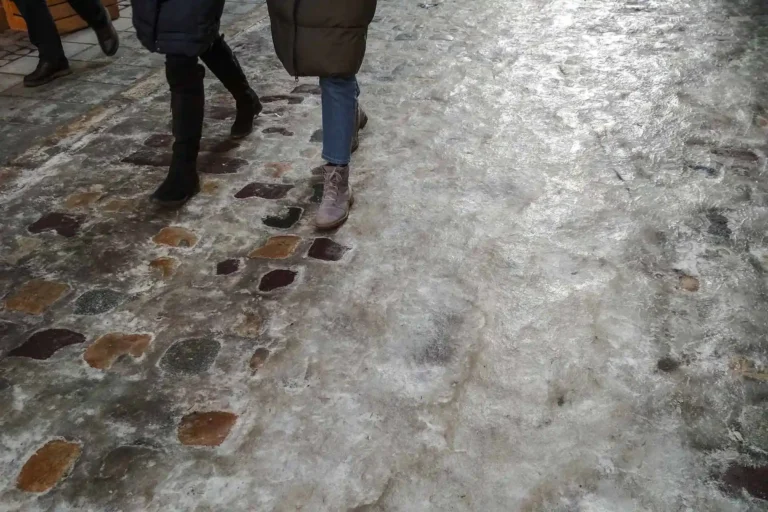
Philadelphia winters bring beautiful snow-covered streets, but they also create dangerous conditions that lead to serious injuries. When temperatures drop and precipitation falls, property owners face increased responsibility to keep their premises safe. Understanding how weather affects premises liability claims can help you protect yourself and know your rights if you get hurt.
Weather-related accidents happen more often than most people think. Icy sidewalks, snow-covered parking lots, and frozen walkways turn routine trips to the store into potential disasters. If a property owner fails to address these hazards and someone gets injured, they may face legal consequences.
Common Weather Hazards That Lead to Injury Claims
Icy Walkways and Sidewalks
Ice forms quickly on Philadelphia sidewalks, especially when temperatures hover around freezing. Black ice poses the biggest threat because you can’t see it until you’re already slipping. This nearly invisible layer of ice catches people off guard and causes them to lose their balance instantly.
Property owners must clear ice from their walkways within a reasonable time. When they ignore this duty, people suffer broken bones, head injuries, and back problems. These accidents often happen in front of businesses, apartment buildings, and private homes.
Snow Accumulation
Heavy snow creates uneven surfaces that make walking difficult and dangerous. Snow piles up in ridges and mounds that hide other hazards underneath. People trip over curbs they can’t see or step into holes covered by fresh powder.
Philadelphia law requires property owners to clear snow from sidewalks within six hours after the snowfall stops. If snow ends overnight, clearing must be completed by morning. Property owners who ignore these requirements put everyone at risk.
Refrozen Slush
During the day, snow melts into slush as temperatures rise. When night falls and temperatures drop again, that slush refreezes into lumpy, uneven ice. This cycle creates some of the most dangerous walking conditions because the surface looks passable but hides treacherous footing underneath.
Falling Ice and Snow
Snow and ice don’t just create problems on the ground. Large chunks can fall from building roofs, awnings, and overhangs without warning. Tree branches also break under the weight of heavy snow and crash down on sidewalks below.
These falling hazards cause head trauma, neck injuries, and broken bones. Property owners must remove dangerous accumulations from roofs and overhangs before they hurt someone.
Poor Drainage and Puddles
Rain and melted snow need somewhere to go. When drainage systems fail or gutters overflow, water pools on walkways. These puddles freeze overnight and create skating rinks where people expect solid ground.
Broken gutters that dump water directly onto sidewalks are particularly dangerous. The constant flow of water creates thick ice sheets that grow larger every night.
Types of Injuries from Weather-Related Accidents
Fractures and Broken Bones
Slip and fall accidents often result in broken wrists, ankles, and hips. People instinctively throw out their hands when falling, which leads to wrist fractures. Hip fractures are especially serious for older adults and often require surgery and months of recovery.
Head and Brain Injuries
Hitting your head on concrete or ice can cause concussions and traumatic brain injuries. These injuries range from mild confusion to severe brain damage that changes your life forever. Even a “minor” concussion can cause headaches, memory problems, and difficulty concentrating for weeks or months.
Spinal Injuries
Your back takes tremendous force when you fall on ice. Herniated discs, compression fractures, and other spinal injuries cause chronic pain and limit your ability to work. Some people never fully recover from serious back injuries.
Soft Tissue Damage
Sprains, strains, and torn ligaments may not show up on X-rays, but they cause real pain and disability. These injuries often require physical therapy and can take months to heal. Some people develop chronic pain that never completely goes away.
Cuts and Bruising
While not as serious as broken bones, deep cuts and severe bruising still require medical attention. Cuts on the head or face may need stitches and leave permanent scars.
Cold-Related Conditions
Extended exposure to extreme cold can lead to frostbite and hypothermia. Frostbite damages skin and tissue, particularly on fingers, toes, ears, and noses. Severe cases may require amputation. Hypothermia happens when your core body temperature drops too low, causing confusion, fatigue, and potential death.
Property Owner Responsibilities Under Pennsylvania Law
The Hills and Ridges Doctrine
Pennsylvania courts recognize that property owners can’t keep surfaces completely free of snow and ice at all times. The Hills and Ridges Doctrine says owners are responsible for clearing significant accumulations that create dangers for visitors.
This legal principle protects owners from liability for minor snow patches. However, they must address large accumulations, uneven ridges, and dangerous ice formations within a reasonable time. “Reasonable time” depends on when the storm ended and how quickly they could clear the area.
To hold an owner liable under this doctrine, you must prove three things:
- The accumulation was excessive or unnatural
- The owner had enough time to fix the problem
- The condition directly caused your injury
Man-made conditions don’t get protection under this doctrine. If a broken gutter creates ice or a landlord’s poor drainage causes puddles to freeze, the Hills and Ridges Doctrine doesn’t apply.
Time Requirements for Snow Removal
Philadelphia ordinances give property owners specific deadlines for clearing sidewalks. They must remove snow and ice within six hours after snowfall stops. For overnight snow, clearing must happen by morning before people start their daily routines.
These rules apply to sidewalks adjacent to properties. Business owners and landlords have additional duties to clear parking lots, walkways, and common areas where customers and tenants walk.
Treatment of Icy Surfaces
Clearing snow isn’t enough. Property owners must also treat icy surfaces with salt, sand, or other materials that provide traction. Simply pushing snow to the side and leaving ice underneath doesn’t meet their legal obligation.
Regular monitoring is part of this duty. Owners should check their property throughout the day during winter weather, especially during freeze-thaw cycles that create new hazards.
Responsibility for Overhead Hazards
Property owners must address dangers above ground level too. They need to remove snow and ice accumulations from roofs, awnings, and overhangs that could fall on people below. Warning signs aren’t sufficient if the owner knows about dangerous hanging ice or snow.
Business Owner Obligations
Businesses owe a higher duty of care to customers than private homeowners owe to random pedestrians. Stores, restaurants, and other commercial properties must maintain safe conditions for everyone who enters. This includes parking lots, entryways, and loading areas.
Business owners should have snow removal plans in place before winter arrives. Waiting until after a storm to figure out how to clear their property isn’t acceptable.
Steps to Take After a Weather-Related Injury
Get Medical Help Right Away
Your health comes first. Even if you think your injury is minor, see a doctor. Some injuries don’t show symptoms immediately. Head injuries, internal bleeding, and other serious conditions may not become obvious until hours or days later.
Medical records document your injuries and create a timeline that supports your claim. Insurance companies will question injuries that weren’t treated promptly.
Document Everything at the Scene
If you can safely do so, take photos of the hazard that caused your fall. Include the date and time in your pictures. Photograph the ice, snow, or other dangerous condition from multiple angles. Also take wide shots that show the surrounding area and help establish context.
Look for security cameras that might have recorded your fall. Note their locations and ask the property owner to preserve the footage.
Find Witnesses
People who saw your accident can provide valuable testimony about what happened. Get names and contact information from anyone who witnessed your fall. Their statements can confirm that the hazard existed and that you fell because of it.
Report the Incident in Writing
Tell the property owner or manager about your accident immediately. Insist on filing a written report and get a copy for your records. This creates an official record that the accident happened and prevents the owner from claiming they never knew about it.
Include specific details about the hazard, where it was located, and what time your accident occurred. Don’t apologize or admit fault, even if you’re trying to be polite.
Keep Records of Everything
Save all medical bills, prescription receipts, and records of treatment. Keep a journal documenting your pain levels, limitations, and how your injury affects daily life. Track time missed from work and any other expenses related to your injury.
Take photos of your injuries as they heal. Visual evidence of bruising, swelling, and scarring helps show the severity of your harm.
Don’t Talk to Insurance Companies Alone
Property owners’ insurance companies will contact you quickly after learning about your accident. They may seem friendly and helpful, but remember they work for the property owner, not for you. Anything you say can be used to minimize or deny your claim.
Politely decline to give recorded statements or sign any documents until you speak with an attorney. Insurance adjusters are trained to get you to say things that hurt your case.
How Weather Affects Your Premises Liability Claim
Proving Negligence Gets More Complex
Weather-related claims require proving that the property owner acted unreasonably given the conditions. You must show they had enough time to address the hazard and failed to do so. This becomes more complicated when storms continue or when temperatures keep changing.
Property owners will argue that the weather was too severe or too unpredictable for them to keep up. Your attorney needs to gather evidence showing they had reasonable opportunities to clear their property but chose not to.
Natural vs. Man-Made Conditions Matter
Courts treat natural accumulations differently than man-made hazards. If ice forms naturally from falling snow, the Hills and Ridges Doctrine may apply. But if ice forms because of the owner’s actions or property defects, different rules come into play.
Examples of man-made conditions include:
- Ice from broken gutters or downspouts
- Puddles from poor drainage that freeze overnight
- Snow piled in dangerous locations that melts and refreezes
- Untreated areas where the owner partially cleared snow
These situations often provide stronger grounds for claims because the owner created or contributed to the hazard.
Timing Is Everything
When the accident happened relative to when the snow stopped falling matters tremendously. An injury that occurs two hours after a storm ends is different from one that happens two days later. Property owners have more time to address hazards as hours pass after precipitation stops.
Weather forecasts and records help establish timelines. Your attorney can use this information to show whether the owner had reasonable time to clear their property.
Comparative Negligence Considerations
Pennsylvania follows a comparative negligence rule. If you were partially at fault for your accident, your compensation gets reduced by your percentage of fault. You can’t recover anything if you were more than 50 percent responsible.
Property owners will try to blame you for the accident. They’ll argue you should have been more careful, worn better shoes, or taken a different route. Strong evidence about the hazard and your reasonable behavior helps defeat these arguments.
Government and Municipal Liability
City Responsibilities for Public Areas
Philadelphia and other municipalities must maintain public sidewalks, roads, parks, and transit areas. When they fail to clear these spaces and someone gets hurt, the government can be held liable.
Public transit stations like SEPTA platforms become especially dangerous during winter weather. The city must keep these high-traffic areas safe for commuters.
Special Rules for Government Claims
Suing a government entity involves different procedures than suing a private property owner. You must file a notice of claim within six months of your injury. This short deadline means you need to act quickly.
Government immunity laws protect municipalities in some situations. An experienced attorney understands these complicated rules and can determine if you have a valid claim against the city.
Inadequate Lighting Makes Problems Worse
Poor lighting in public spaces compounds winter hazards. When people can’t see icy patches or snow ridges because of broken streetlights or inadequate illumination, accidents increase. Municipalities that fail to maintain proper lighting may face additional liability.
Winter Safety Tips for Pedestrians
Choosing the Right Footwear
Boots with good traction make a big difference on icy surfaces. Look for deep treads and rubber soles that grip. Avoid smooth-soled dress shoes or worn-out sneakers with no tread left.
Some people attach ice grips to their boots for extra traction. These temporary attachments have metal spikes or rubber nubs that dig into ice.
Using Handrails and Support
Always use handrails on stairs and steep areas. They provide stability if your foot slips. Even if the steps look clear, ice may hide in shadows or under a thin layer of snow.
Walking Techniques on Ice
Take short steps and walk slowly on icy surfaces. Keep your center of gravity over your front leg as you walk. This technique helps maintain balance if you start to slip.
Avoid carrying heavy bags that throw off your balance. Keep your hands out of your pockets so you can use them to catch yourself if you fall.
Choosing Your Path Carefully
Stick to cleared walkways when possible. Don’t take shortcuts across areas that look untreated. The few seconds you save aren’t worth a broken bone.
Watch for areas where water might collect and refreeze. Dips in pavement, spots near downspouts, and shaded areas stay icy longer than sunny locations.
Being Aware of Overhead Hazards
Look up occasionally as you walk. Watch for icicles hanging from buildings and snow accumulated on overhangs. Give these areas a wide berth if possible.
Stay clear of trees with heavy snow loads. Branches can break suddenly and fall without warning.
Compensation Available in Weather-Related Injury Claims
Medical Expenses
You can recover the full cost of treating your injuries. This includes emergency room visits, doctor appointments, surgery, physical therapy, medications, and medical equipment.
Future medical costs also count. If you’ll need ongoing treatment or additional surgeries, those projected expenses become part of your claim.
Lost Income
Missing work because of your injuries means lost wages. You can claim compensation for all time you couldn’t work, including sick days and vacation days you used during recovery.
Reduced earning capacity matters too. If your injuries prevent you from returning to your previous job or force you to take a lower-paying position, you can seek compensation for this lost earning potential.
Pain and Suffering
Physical pain and emotional distress have real value. You don’t need to prove an exact dollar amount for suffering. Your attorney will help calculate fair compensation based on the severity and duration of your pain.
Ongoing pain that affects your quality of life deserves compensation. Activities you can no longer enjoy and relationships damaged by your injury all factor into this calculation.
Property Damage
If your phone, glasses, clothing, or other belongings were damaged in your fall, you can seek reimbursement for repair or replacement costs.
The Two-Year Deadline for Filing Claims
Pennsylvania law gives injury victims two years from the accident date to file a lawsuit. This statute of limitations applies to most personal injury claims, including weather-related premises liability cases.
Two years might seem like plenty of time, but gathering evidence and building a strong case takes months. Property conditions change quickly after winter weather. Ice melts, snow gets cleared, and evidence disappears. Starting your claim early helps preserve important proof.
Insurance companies also investigate claims more carefully when victims wait a long time to report injuries. Early action shows you took your injuries seriously and didn’t try to hide anything.
Don’t Face This Alone
Weather-related accidents turn your life upside down in seconds. One moment you’re walking to work or running errands. The next moment you’re on the ground in pain, wondering how you’ll pay medical bills and make up for lost work time.
Property owners and insurance companies have teams of lawyers protecting their interests. You deserve someone fighting just as hard for you. The right attorney knows how to investigate weather-related accidents, gather the proof you need, and push back against insurance companies that try to minimize your claim.
Philly Slip and Fall Guys helps injury victims throughout Philadelphia recover fair compensation after winter weather accidents. We understand Pennsylvania’s premises liability laws and know how to prove property owner negligence in weather-related cases. Our team handles everything from gathering evidence to negotiating with insurance companies so you can focus on healing.
Call 215-268-6898 today for a free consultation. We’ll review your case, answer your questions, and explain your legal options. Don’t let someone else’s negligence cost you more than it already has. Get the help you deserve and take the first step toward recovering what you’ve lost.