If you get hurt in Philadelphia, you might wonder who is responsible for your medical bills and pain. The law usually splits these situations into two groups: premises liability and personal liability. While both involve someone being careless, the main difference is whether the accident happened because of a dangerous place or because of a person’s specific actions. Knowing which one applies to your case is the first step in getting the money you need to recover.
Understanding Premises Liability in Philadelphia
Premises liability is a legal rule that says property owners must keep their land and buildings safe. In a city like Philly, this covers everything from big apartment buildings to small corner stores. If an owner knows about a broken step or a wet floor and does nothing to fix it, they are responsible for the injuries that follow.
Common Types of Premises Liability Cases
Many different accidents fall under this category. Slip and fall accidents are the most common, often caused by spilled liquids in grocery stores or icy sidewalks that were not salted. Other examples include:
- Structural failures, such as a collapsing porch or a broken handrail on a staircase.
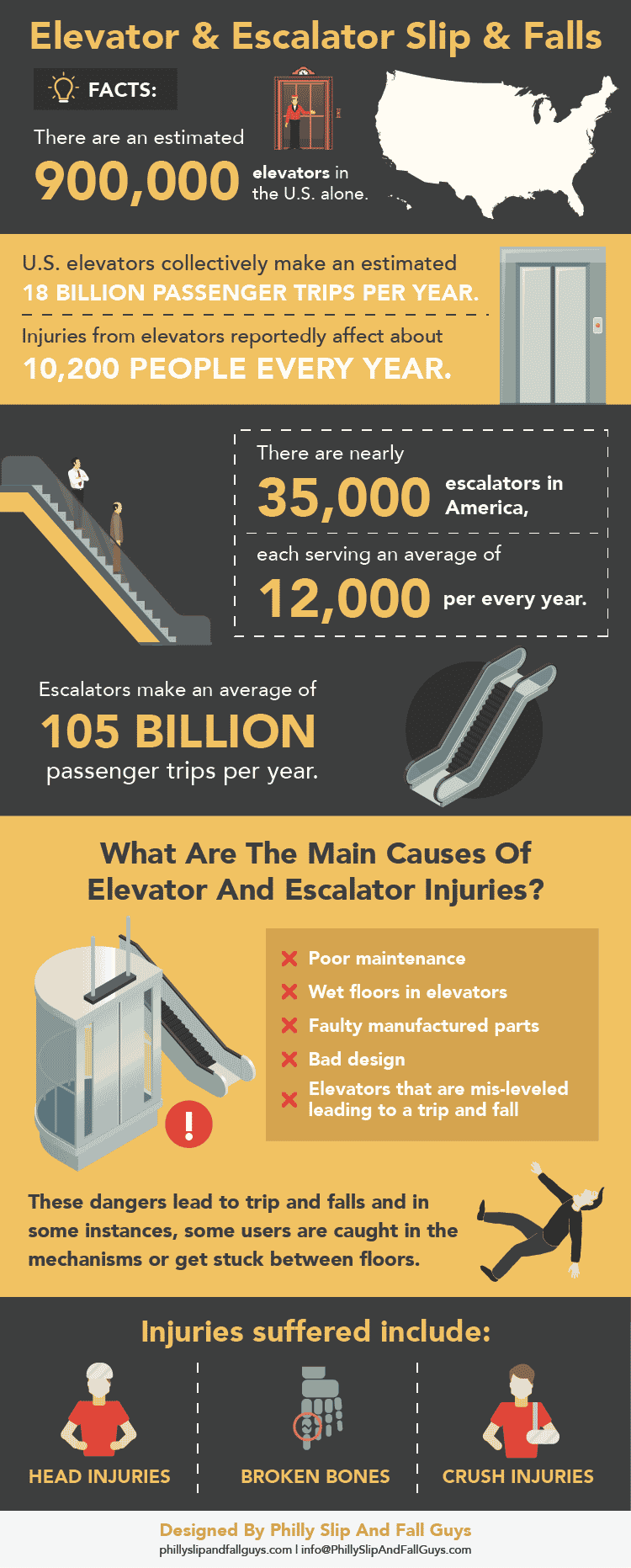
- Elevator and escalator problems in malls or office buildings.
- Dog bites or animal attacks that happen on the owner’s property.
- Swimming pool accidents where there is no fence or proper safety gear.
- Inadequate security, which happens when a landlord does not provide enough lights or locks in a dangerous area.
Your Legal Status on the Property
In Pennsylvania, the level of care an owner owes you depends on why you were there. Business customers are called invitees and get the most protection. Owners must check for hidden dangers regularly to keep them safe. Social guests are called licensees. For them, owners only have to warn about dangers they already know about. Even trespassers have some rights, as owners are not allowed to set traps or try to hurt them on purpose.
Exploring Personal Liability
Personal liability is different because it follows the person, not the location. This applies when someone’s specific behavior causes an injury to another person. It does not matter if the accident happened at a park, on a sidewalk, or inside a house. The focus is on the action the person took or failed to take.
Common Personal Liability Situations
You see personal liability most often in car accidents. If a driver runs a red light and hits you, their personal liability covers your damages. It also applies to situations like:
- Physical assaults or intentional fights.
- Careless behavior, such as someone accidentally hitting you with a heavy object while working in their yard.
- Medical malpractice where a doctor makes a mistake during treatment.
Professional vs. Personal Actions
It is helpful to separate personal liability from professional liability. Professional liability happens when someone, like a lawyer or a doctor, fails to do their job correctly. Standard personal liability is about the everyday choices people make that end up hurting someone else through simple negligence.
Key Differences and Proving Your Case
The biggest difference is that premises liability is based on the location, while personal liability is based on the action. To win a premises case, you have to show that a hazard existed, the owner knew about it, and you had a right to be there. In a personal liability case, you have to show that the person had a duty to be careful, they broke that duty, and that mistake directly caused your injury.
Contact Philly Slip and Fall Guys Today
If you are hurt after an accident, you do not have to figure out these legal rules on your own. Our team knows how to look at the evidence and tell you if your case is about a dangerous property or a careless person. We help you deal with insurance companies and fight for the money you deserve for your injuries. Give Philly Slip and Fall Guys a call at 215-268-6898 to get a free talk about your case and learn how we can help you move forward.