If you trip and fall on someone else’s property in Pennsylvania, you might think the owner is automatically responsible for your medical bills. This is not how the law works. To get money for your injuries, you have to prove the property owner was negligent. This means they failed to act like a careful person would in the same situation. Most cases rely on proving the owner knew about a hazard but did nothing to fix it.
What Counts as Negligence in Pennsylvania
Negligence happens when a property owner does not keep their place safe for visitors. Pennsylvania courts often use a legal standard called Restatement (Second) of Torts Section 343 to decide if an owner is at fault. This standard looks at whether the owner knew about a danger or should have found it during a normal inspection.
Property owners must fix hazards or at least put up a warning sign. If a store owner knows a floor is wet but does not put out a yellow cone, they are likely being negligent. The law treats different visitors in different ways. Business customers and tenants get the most protection. People who are trespassing on property they do not belong on usually get the least amount of help from the law.
Establishing Duty and Breach of Duty
A duty is a legal obligation to keep a property safe. Every business and homeowner has this duty to people they invite onto their land. A breach of duty happens when the owner fails to meet that obligation.
Common Hazards That Cause Falls
Many different problems can lead to a trip and fall claim in Philadelphia. Common hazards include:
- Loose or torn carpeting in hallways
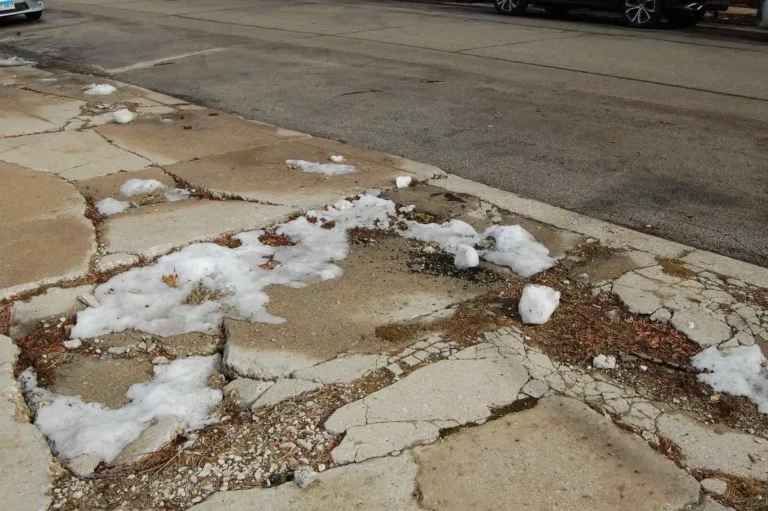
- Broken or uneven sidewalk slabs
- Ice and snow that was not cleared from a storefront
- Spilled liquids in grocery store aisles
- Poor lighting in stairwells that hides steps
- Missing handrails on steep stairs
- Clutter left in walkways where people walk
Reasonable Care and Foreseeability
Courts ask if a reasonable property owner would have seen the danger. Foreseeability is a big part of this. For example, it is foreseeable that it will snow in a Pennsylvania winter. Business owners should plan to salt their walkways. If a grocery store has a leaky roof that always drips near the milk, the owner should expect a puddle. Failing to act when a problem is predictable is a major sign of negligence.
Proving the Owner Had Notice of the Hazard
Notice is the most important part of any slip and fall case. You have to show that the owner knew the danger was there before you fell. Without notice, it is very hard to win a case even if you were badly hurt.
Actual vs Constructive Notice
Actual notice means an employee or owner saw the hazard. Maybe a customer told a manager about a spill ten minutes before you slipped. This is the strongest evidence because the owner cannot claim they were unaware of the problem.
Constructive notice means the owner should have known about the danger because it was there for a long time. If a banana peel is black and smashed, it has probably been on the floor for hours. This suggests the staff was not doing their job by inspecting the aisles. Lawyers often look at cleaning logs to see when the last time someone checked the area. If there are no logs, it is easier to prove the owner was not being careful.
Hazards Created by Employees
Sometimes the property owner or their staff creates the hazard themselves. If a janitor mops a floor but forgets to put up a warning sign, notice is presumed. The law assumes the business knows about a danger that its own employees caused.
Evidence to Strengthen Your Case
A case is only as good as the evidence you gather. According to the CDC, about 37 percent of older adults who fall end up with an injury that needs a doctor. To get paid for those injuries, you need proof.
Using Surveillance and Records
Many businesses have security cameras. This footage is powerful because it shows exactly how you fell and how long the hazard was there. However, most stores record over their video every 30 to 90 days. You have to act fast to save that evidence. An attorney can send a spoliation letter that legally forces the business to keep the footage. Incident reports filled out at the store are also helpful because they often contain admissions from employees about the property conditions.
Witnesses and Physical Proof
Witnesses provide a neutral story of what happened. Their statements can stop an insurance company from blaming you for the fall. You should also take photos of your shoes and the floor where you tripped. If your clothes were soaked with a floor cleaner or water, keep them as evidence. Weather data is also used in court to show if the owner should have been prepared for ice or rain.
How Comparative Negligence Affects Your Money
Pennsylvania uses a rule called modified comparative negligence. This is found in the law under Pa. C.S. 7102. This rule means you can still get money even if the fall was partly your fault. As long as you are 50 percent or less at fault, you can recover damages.
If a jury decides you were 20 percent responsible because you were looking at your phone, your total check is reduced by 20 percent. If you are 51 percent or more at fault, you get nothing. Insurance companies always try to blame the victim to avoid paying. They might argue that the hazard was open and obvious and that any reasonable person would have seen it and walked around it.
Why You Need to Move Quickly
Proving fault is difficult because evidence disappears. Once a sidewalk is patched or a spill is mopped, the physical proof is gone. Witnesses also forget what they saw as time goes by. Getting help early helps ensure that security tapes are saved and witnesses are interviewed while the accident is still fresh in their minds.
Waiting to report a fall or skipping the doctor can also hurt your claim. The insurance company will argue that you were not really hurt or that the fall happened somewhere else. Keeping a paper trail of medical bills and lost wages is the only way to show the true value of your case. Statistics from the Bureau of Labor Statistics show that 25 percent of workplace deaths in 2023 came from falls, showing just how dangerous these accidents can be.
If you tripped and fell on a dangerous property in Philadelphia, you deserve to have your case reviewed. The team at Philly Slip and Fall Guys is ready to look at your evidence and help you understand your rights. We know how to deal with insurance companies that try to blame you for your own injuries. Call 215-268-6898 today for a free consultation. There are no upfront fees, and we only get paid if we win money for you.