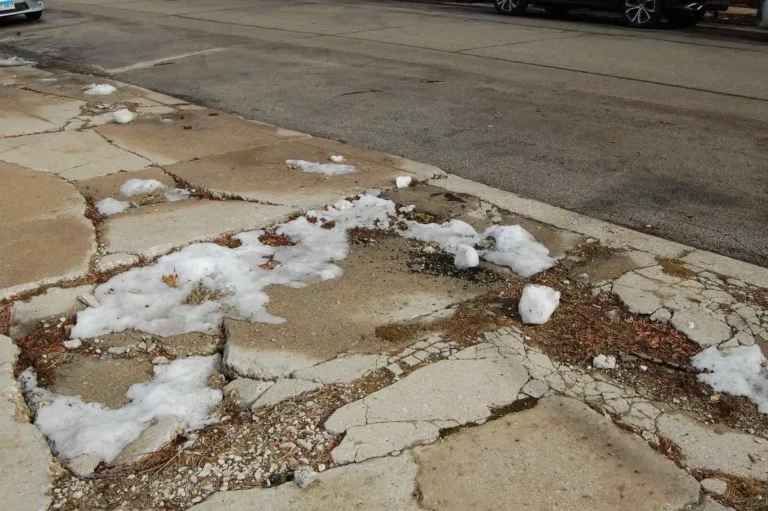
Sidewalks are something most of us walk on every day without giving them a second thought. But when a sidewalk is cracked, uneven, or poorly maintained, a simple walk can turn into a serious injury. Trip and fall accidents on defective sidewalks happen more often than people realize, and the injuries that result can range from a sprained wrist to broken bones, head trauma, or worse. If you or someone you know has been hurt on a bad sidewalk in Pennsylvania, you probably have questions about who is responsible and what your options are. This post covers what you need to know.
Why Defective Sidewalks Are So Dangerous
A sidewalk does not have to be in terrible shape to cause a serious accident. Even a small crack or a raised edge of just half an inch can be enough to catch someone’s foot and send them to the ground. Common defects that cause trip and fall injuries include:
- Cracked or broken pavement
- Uneven slabs where one side is higher than the other
- Tree roots pushing up through the surface
- Potholes, erosion, and crumbling edges
- Ice and snow that has not been cleared
- Wet surfaces with no warning signs
The injuries from these accidents are not always minor. People have suffered broken hips, fractured wrists, traumatic brain injuries, and long-term disabilities after falling on a defective sidewalk. Older adults are especially at risk, but anyone can be hurt. Pennsylvania law recognizes that sidewalks must be kept safe for the people who use them, but who exactly is responsible for that upkeep is not always a simple answer.
Who Is Responsible for a Defective Sidewalk in Pennsylvania?
This is the question most injured people ask first, and honestly, it depends on several things. The type of sidewalk, who owns the land next to it, and how the hazard was created all factor into who can be held liable. In Pennsylvania, responsibility for a dangerous sidewalk can fall on more than one party.
Municipalities and Local Governments
Cities and towns in Pennsylvania are generally responsible for keeping public sidewalks in a safe condition. That means fixing cracks, addressing hazards, and responding when residents report problems. If a municipality knew about a dangerous condition and did nothing to fix it, it can be held liable for injuries that happen as a result.
That said, there are important rules that apply when you want to sue a government entity in Pennsylvania. One of the biggest is the notice requirement. You must give the municipality written notice of your intent to file a claim within six months of the accident. If you miss that deadline, you lose your right to pursue the case entirely. There are also caps on the total amount of money you can recover from a government agency, which is another reason why acting quickly and talking to an attorney matters.
Private Property Owners
When a sidewalk runs alongside private property, the homeowner or business owner may be responsible for keeping it safe. Pennsylvania law places a legal duty on property owners to maintain the sidewalk directly next to their property. If a tree on their land has pushed up the pavement, or if they have let ice and snow pile up without clearing it, and someone gets hurt because of it, that property owner could be held accountable.
For a property owner to be liable, you generally need to show that they knew about the hazard, or should have known about it, and failed to do anything about it. The length of time the hazard existed often matters here. A crack that formed overnight is different from one that has been there for months.
Contractors and Maintenance Companies
Sometimes a third party, like a construction company or a snow removal service, is the one at fault. If a contractor improperly installed or repaired a sidewalk, used substandard materials, or failed to follow safety standards, they can be held liable when someone gets hurt. The same applies to maintenance companies hired to clear snow and ice. If they do a poor job and leave a dangerous surface behind, they share responsibility for any injuries that result.
The State of Pennsylvania and PennDOT
Some sidewalks are located near state highways or on state-owned property. In those cases, the Pennsylvania Department of Transportation, or PennDOT, may be the party responsible for upkeep. If an injury occurs on a sidewalk that PennDOT controls and the state failed to fix a known dangerous condition, the state could be held liable. Claims against the state follow similar rules to claims against municipalities and require careful attention to deadlines and procedures.
How Pennsylvania Law Handles Fault in Sidewalk Injury Cases
To win a trip and fall case in Pennsylvania, you have to prove that the responsible party was negligent. That means showing four key things:
- Duty of care: The property owner, municipality, or contractor had a legal responsibility to keep the sidewalk safe for people using it.
- Breach of that duty: They failed to fix the hazard, ignored reports of the problem, or created the dangerous condition themselves.
- Causation: Their failure to act is what directly led to your fall and injury.
- Damages: You suffered real, provable losses as a result, such as medical bills, lost wages, and pain and suffering.
The burden of proof is on you as the injured person. That can feel daunting, but an experienced attorney can help you gather the evidence needed to build a strong case.
What About Shared Fault?
Pennsylvania follows what is called a modified comparative negligence rule. This means that even if you were partly at fault for the accident, you may still be able to recover money. The state uses a 51% rule. As long as you were not more than 50% responsible for the accident, you can still receive compensation. However, the amount you receive will be reduced by your percentage of fault. For example, if you were found to be 20% at fault and your total damages were $100,000, you would receive $80,000.
The other side, whether that is the municipality, property owner, or insurance company, will often try to argue that you were careless, too. They might say you were on your phone, wearing improper footwear, or not paying attention. This is why documenting everything after the accident is so important.
Snow and Ice on Pennsylvania Sidewalks
Winter slip and fall cases in Pennsylvania come with their own set of rules. Pennsylvania courts apply what is known as the hills and ridges doctrine to snow and ice cases. Under this rule, you cannot simply point to the fact that a sidewalk was icy. You have to show that the snow or ice built up to the point of forming hills and ridges, meaning an unnatural accumulation that made the sidewalk unreasonably dangerous.
General slippery conditions during or right after a storm are usually not enough to hold someone liable. But if a property owner or municipality let ice or snow build up over time into a hazardous condition and does nothing about it, that is a different story. Winter cases can be harder to win, but they are not impossible.
What to Do Right After a Trip and Fall on a Sidewalk
The steps you take in the hours and days after a sidewalk accident can make a big difference in your case. Here is what to do:
- Get medical attention right away. Even if you think the injury is minor, see a doctor. Some injuries, like concussions or internal damage, are not obvious at first.
- Take photos of the scene. Get clear pictures of the defect, whether it is a crack, raised slab, tree root, or icy surface. Photograph the area from multiple angles.
- Get witness information. If anyone saw you fall, ask for their name and contact details. Witness statements can support your claim.
- Report it to the right party. If it were a public sidewalk, notify the local municipality. If it was in front of a business or home, document who owns the property.
- Keep all records. Save every medical bill, prescription receipt, and doctor note. Write down how your injuries have affected your daily life.
- Do not wait to call a lawyer. Pennsylvania’s statute of limitations gives you two years from the date of the accident to file a personal injury claim, under 42 Pa.C.S. Section 5524(2). But if your claim is against a government entity, you have only six months to file a written notice. Missing either deadline can cost you your case.
How Long Do You Have to File a Claim in Pennsylvania?
The two-year statute of limitations starts on the day of the accident. That may sound like plenty of time, but building a solid case takes time, and waiting too long can make things harder. Evidence disappears, witnesses forget details, and surveillance footage gets deleted. Filing sooner also sends a message that your injuries were serious and that you are taking the situation seriously.
If your fall happened on a public sidewalk or on property owned by a city, town, or state agency, the six-month notice rule is separate from the two-year filing window. You need to meet both requirements. An attorney can help you track these deadlines and make sure nothing falls through the cracks.
What Compensation Can You Recover?
Sidewalk trip and fall injuries can lead to real financial strain. Medical bills add up fast, and if you miss work because of your injuries, the losses can grow quickly. In a Pennsylvania slip and fall case, you may be able to recover:
- Medical expenses, including emergency care, surgery, physical therapy, and future treatment
- Lost wages if you missed work during recovery
- Loss of future earning capacity if your injuries are long-term or permanent
- Pain and suffering
- Costs related to ongoing disabilities or reduced quality of life
Most sidewalk injury cases are resolved through a settlement with the responsible party’s insurance company. But insurance companies often start with low offers. Having a lawyer on your side puts you in a much better position to push back and get a fair result. If a settlement cannot be reached, your attorney can take the case to trial.
Hurt on a Broken Sidewalk in Philadelphia? Talk to Us.
A trip and fall on a defective sidewalk can change your life in an instant. The good news is that you do not have to figure out what comes next on your own. Whether the sidewalk was in front of a private home, a business, a public street, or a state-maintained road, there may be someone who is legally responsible for what happened to you.
Philly Slip and Fall Guys focuses on exactly these kinds of cases. We know Pennsylvania’s premises liability and slip and fall laws, and we know how to go up against municipalities, property owners, and insurance companies to get our clients what they deserve. There are no upfront costs to work with us. We only get paid if you do.
Call us today at 215-268-6898 for a free consultation. The sooner you reach out, the more we can do to protect your rights.