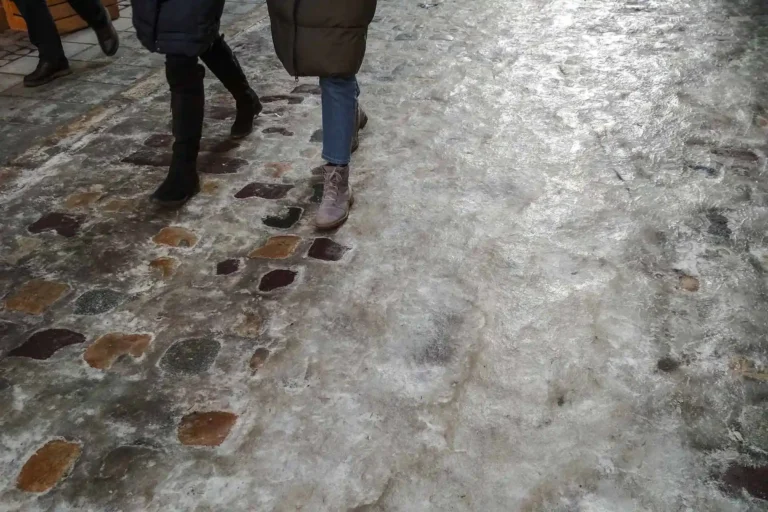
You might be replaying the moment in your head. One second you were just walking to work, the store, or your car, and the next you were on the ground, staring at an icy sidewalk and feeling that sharp mix of pain, embarrassment, and anger. Now you are hurt, maybe missing work, and everyone seems to be pointing at someone else. The property owner blames the tenant. The tenant blames the city. The city points to its rules and says it was your bad luck.
It is confusing. It is unfair. And it is the last thing you need while you are trying to heal.
Here is the short version of what you need to know. In Philadelphia, sidewalk snow and ice are usually the responsibility of the person or business that controls the property next to the sidewalk. The city sets the rules and can issue tickets, but it usually is not the one that pays you for a slip and fall. That responsibility often falls under something called premises liability, which is the body of law that says property owners and occupiers must keep their places reasonably safe.
So where does that leave you when you are the one who got hurt on an icy sidewalk in Philadelphia, and everyone is dodging blame?
Why Icy Sidewalks in Philadelphia Create So Much Confusion About Fault
You might assume that if it happens on a sidewalk, the city has to pay. Or you might think the landlord is always on the hook. Then you hear about a lease that pushes the duty onto a tenant, or a corner property where one side is cleared, and the other is a sheet of ice. Because of this tension, you start to wonder if anyone will ever accept responsibility.
Part of the confusion comes from the city’s own rules. Philadelphia requires property owners and occupants to clear a path on the sidewalk within a set time after the snow stops. The Department of Streets explains this on its page about snow events and sidewalk clearing. That sounds clear enough. If you control the property, you must clear the sidewalk.
But then winter weather is messy. Snow melts, refreezes overnight, and turns to black ice. A landlord might live in another state. A commercial tenant might think the landlord is responsible. The city might not enforce every violation. Meanwhile, you are the one who slipped, and none of that helps your medical bills.
So what does the law actually look at when someone is injured on an icy sidewalk?
How Premises Liability Works When You Slip on Ice in Philadelphia
Premises liability is the law that covers injuries on someone else’s property. In the context of icy sidewalk responsibility in Philadelphia, the question is not just “Who owns the property?” but “Who had the duty to keep this sidewalk reasonably safe and failed to do it?”
Here are some common scenarios.
1. Owner-occupied homes
If a homeowner lives in the property and controls the sidewalk, they are usually required to shovel and treat ice within the time the city allows. If they know or should know about dangerous ice and do nothing for hours, and you slip, they may be responsible for your injuries under premises liability.
2. Rental properties
This is where the blame game often starts. A landlord might say, “The lease says the tenant must shovel.” The tenant might say, “The landlord never provided salt or tools.” Under the law, both the owner and the tenant can sometimes be responsible, depending on who actually controls and maintains the sidewalk and who had a realistic chance to fix the danger.
Courts in Philadelphia look at details. For example, in a city slip and fall case like the one discussed in this Philadelphia trial court opinion, judges look at who knew about the condition, how long it existed, and what steps were taken to fix it. It is rarely as simple as “the landlord wins” or “the tenant wins.”
3. Commercial properties
Stores, restaurants, and office buildings often have written procedures for snow and ice removal. If they ignore their own policies or do a rushed, incomplete job that leaves patches of ice, they can be liable. The law expects a higher level of care from businesses that invite the public in.
4. The city’s role
The City of Philadelphia is mainly responsible for plowing streets and managing the big-picture winter response. Its emergency management office gives guidance on winter weather preparedness, but that is different from accepting financial responsibility for every icy sidewalk.
In many cases the city is immune from lawsuits for conditions like snow and ice on public sidewalks. That is why claims usually focus on the adjacent property owner or occupier, not the city itself.
So when everyone is pointing fingers, the real question becomes this. Who had the legal duty to act, who had time to act, and who failed to protect you?
Comparing Common Icy Sidewalk Situations and What They Mean For Your Claim
It might help to see some of these scenarios side by side. This is not a substitute for personalized legal advice, but it gives you a sense of how responsibility can shift in different situations involving premises liability.
| Situation | Who Usually Has the Duty to Clear Ice | Biggest Legal Question | How It Affects Your Claim |
|---|---|---|---|
| Owner-occupied home | Homeowner | Did they have enough time after the snow stopped to clear and treat the sidewalk? | Claim often focuses on homeowner’s failure to act within a reasonable time. |
| Residential rental property | Owner, tenant, or both, depending on control and lease | Who actually controlled sidewalk maintenance and knew about the ice? | Investigation may involve lease, prior complaints, and who normally shovels. |
| Storefront or commercial building | Business occupant and possibly property owner | Did the business follow a reasonable snow and ice removal plan? | Claims may involve video, logs, and witness statements about cleanup efforts. |
| Sidewalk near city property | Sometimes the city, sometimes an adjacent owner | Is the city immune, and is there another party responsible nearby? | Claims can be more complex. There may be strict notice and timing rules. |
Seeing it this way, you can understand why an adjuster or property manager might try to brush you off with “It’s not our responsibility.” It is easier for them to point somewhere else than to look closely at what actually happened.
Three Practical Steps to Protect Yourself After an Icy Sidewalk Fall
When you are in pain, dealing with insurance calls and legal terms can feel overwhelming. You do not have to solve everything today, but there are a few steps that can protect your health and your rights.
1. Protect your health and document your injuries
Get medical care right away, even if you think you can “tough it out.” Some injuries, especially to the back, neck, or head, do not fully show themselves until hours or days later. Tell the doctor exactly what happened and that you slipped on the ice. Keep copies of your discharge papers, prescriptions, and any work restriction notes. These records connect your injuries to the fall, which is crucial for any premises liability claim.
2. Gather evidence before it disappears
Ice melts. Footprints vanish. Property owners rush to salt once someone gets hurt. If you can, or if a trusted person can help you, take photos or videos of the sidewalk from multiple angles as soon as possible. Capture nearby buildings, addresses, and any snow or ice patterns that show neglect. Get contact information for any witnesses who saw you fall or noticed the condition before your injury. Save your shoes and clothing. They may matter later.
3. Talk to a premises liability lawyer before you speak at length with insurance
Property owners and their insurers are skilled at minimizing what happened. You might be told it was “just an accident” or that you “should have watched where you were going.” Before you give a detailed statement or accept any offer, reach out to an attorney who focuses on slip and fall and premises liability cases. A lawyer can identify who is truly responsible, deal with the blame-shifting, and protect you from being pushed into a low settlement.
If you were hurt on an icy sidewalk in Philadelphia, you can speak with Philly Slip and Fall Guys for a free consultation. Call 215-268-6898 to talk through what happened and what your next steps might look like.
Finding Clarity When Everyone Else is Pointing Fingers
Right now you might feel stuck between pain, medical bills, and a long list of people saying, “Not my fault.” That feeling is real. It is exhausting to be caught in the middle of a dispute about who should have cleared the ice when you are the one who hit the ground.
You do not have to sort out Philadelphia’s sidewalk rules, lease terms, and immunity laws on your own. There is a path forward. With the right guidance, the question shifts from “Will anyone take responsibility?” to “How do we hold the right party accountable and help you rebuild?”
If you or someone you love was injured on an icy sidewalk in Philadelphia, you can reach Philly Slip and Fall Guys at 215-268-6898 for a free consultation. You deserve clear answers, careful attention to your story, and a plan to move from confusion toward recovery.