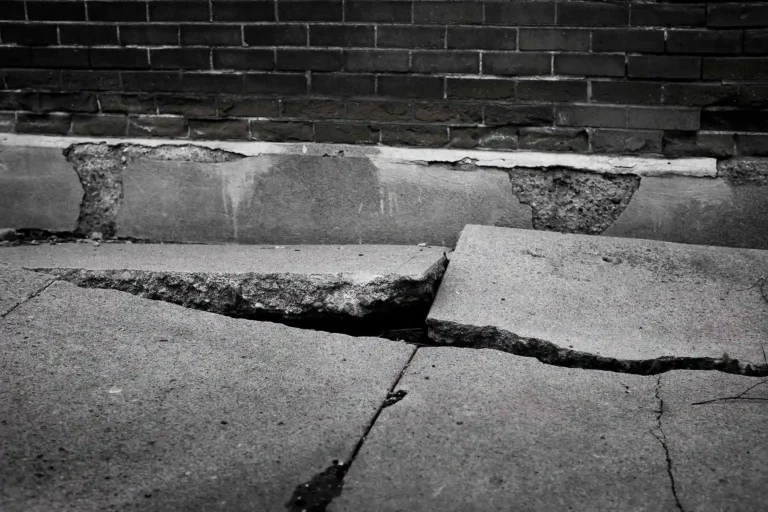
You might still be replaying the moment in your head. You were just walking in your own neighborhood, maybe carrying groceries or hurrying to catch the bus, when your foot caught a raised slab of concrete. In a split second you were on the ground, feeling that sharp mix of pain, shock, and embarrassment, and now you are sore, missing work, and wondering who is going to pay for all of this.
If this feels unfair, you are not overreacting. A cracked or uneven sidewalk can change your week, your month, or even your health long term. At the same time, the rules about who is responsible for a broken sidewalk in Philadelphia can feel confusing. Is it the City’s fault, the property owner’s fault, or will everyone just point the finger at you?
Here is the short version. In many Philly sidewalk fall cases, a property owner is responsible. Sometimes the City shares blame. Sometimes insurance companies argue that you should have watched where you were going. The truth is more nuanced, and it depends on where you fell, why the sidewalk was damaged, and what the owner or the city knew about the problem. That is what a premises liability claim is really about.
So, where does that leave you? It means you may have a path to get your medical bills, lost wages, and pain covered, but you will need to understand how Philadelphia treats sidewalk hazards and how to protect your rights before evidence disappears.
When a Simple Walk Turns Into a Legal Mess, Who is Really Responsible?
Premises liability sounds like a cold legal phrase, but at its core it just means this. The person or entity that controls property must take reasonable care to keep it safe for people who lawfully use it. When sidewalks break, heave, or crumble, that duty is often tested right where you fell.
In Philadelphia, the starting point is this. Property owners are usually required to keep the sidewalk in front of their property in a reasonably safe condition. City guidelines, like those in the Philadelphia Complete Streets Handbook, expect sidewalks to be passable and maintained. If an owner ignores a dangerous crack or a slab raised several inches and someone gets hurt, that can create liability.
But it is not always that simple. Because of this tension, you might wonder. When does the City of Philadelphia itself share the blame. Some examples help.
Imagine these situations.
- You trip on a chunk of sidewalk that has been missing for months in front of a small store. Neighbors complain that people keep stumbling there. The store owner never calls anyone to fix it. In that scenario, a premises liability claim may focus on the private owner who controlled that stretch of sidewalk and ignored a known hazard.
- Now picture a sidewalk torn up by a city tree with massive roots, on a block where multiple slabs are lifted several inches. Residents have reported it many times, and there is a long delay in the city’s response. Here, responsibility might involve both the adjacent owner and possibly the City, depending on who had notice and control over the condition.
- There are also sidewalks along state or city-controlled roads. A PennDOT or City project might have left an area uneven or poorly patched. Studies on pedestrian access in Pennsylvania, such as those discussed in this research on sidewalk project challenges, show how often maintenance and funding problems lead to gaps and hazards. Those same gaps are where people get hurt.
Then there is you. Insurance companies often argue that the injured person was partly to blame. They may say you were on your phone, wearing bad shoes, or should have seen the defect. Under Pennsylvania law, your recovery can be reduced if you share some fault, and if you are found more than 50 percent responsible, you may recover nothing. That is why the details of the sidewalk condition, lighting, weather, and your actions all matter so much in a slip and fall case.
This is where the stress often spikes. You are hurt, the medical bills are arriving, you may be missing paychecks, and on top of that, you are being made to feel as if you did something wrong just by walking down your own block. A strong Philadelphia sidewalk slip and fall claim is about pushing back on that narrative with facts, photos, witnesses, and a clear explanation of who had the duty to fix the problem before you were injured.
How Do City, Owner, and Personal Responsibility Actually Compare in a Philly Sidewalk Fall?
Responsibility in a sidewalk premises liability case often falls into three overlapping buckets. The City, the adjacent owner, and you. Understanding how they compare can help you see where your case may fit.
| Party | Typical Duty | When They May Be Liable | Common Defenses They Raise |
|---|---|---|---|
| City of Philadelphia / Government | Maintain public infrastructure, respond to reported hazards within a reasonable time | Defects linked to city trees, utility work, or construction the City controlled or supervised | Governmental immunity, lack of prior notice, condition was “open and obvious” |
| Private Property Owner / Business | Keep adjacent sidewalks reasonably safe, repair or warn about dangerous conditions | Ignored broken, sunken, or raised slabs, poor lighting, or hazards they knew or should have known about | Claiming the defect was minor, blaming weather, saying they never knew about the danger |
| You (Injured Pedestrian) | Use reasonable care for your own safety | Only if you were acting very carelessly, such as running on obvious ice or ignoring warning cones | Insurers argue you were distracted, not watching where you were walking, or wearing unsafe shoes |
As you can see, the same fall can raise very different questions depending on who controlled the sidewalk and what they did or failed to do. A careful investigation looks at property records, any past complaints, maintenance history, and even design standards to see where the legal duty truly rested.
So, what can you actually do right now, while the pain is still fresh and the legal questions feel heavy?
What Immediate Steps Can You Take After a Philly Sidewalk Fall?
When you are hurting, it is easy to feel frozen. Yet a few focused steps can protect both your health and your claim.
1. Get medical care and be completely honest about how you fell
Even if you tried to walk it off, see a doctor or urgent care as soon as you can. Some injuries, like hairline fractures or concussions, show up slowly. Tell the provider exactly what happened. For example, “I tripped on a raised concrete slab on the sidewalk in front of a store in North Philly.” Those details in your records can later link your injuries clearly to the fall.
2. Preserve evidence from the scene before it changes
Sidewalks get patched, the weather changes, and people forget. If you can, or if someone you trust can help, take photos from multiple angles that show the defect, your shoes, and any surrounding features like tree roots or construction. Note the date, time, and weather. Get names and contact information for any witnesses. Keep the shoes and clothing you were wearing. Do not throw anything out. All of this can help prove that the sidewalk was unreasonably dangerous.
3. Talk with a premises liability attorney before dealing with insurers
Adjusters may sound friendly, but their job is to limit payouts. Before you give a recorded statement or accept a quick settlement, speak with an attorney who focuses on slip and fall premises liability in Philadelphia. An experienced lawyer can identify the correct defendants, handle communication with insurers, and explain your options in plain language. At Philly Slip and Fall Guys, you can reach a lawyer for a free consultation at 215-268-6898.
Finding a Path Forward After a Sidewalk Fall in Philadelphia
A bad fall on a broken sidewalk can make you feel powerless. You did not control the concrete. You did not design the street. Yet you are the one in pain, juggling appointments and bills, worrying about how long it will take to get back to normal.
You do not have to sort out city rules, property records, and insurance tactics on your own. With the right guidance, a premises liability claim can shift the burden back where it belongs, to the people or entities that allowed the hazard to exist in the first place. That may mean holding a property owner accountable, pushing the City to accept its share of responsibility, or pushing back when an insurer tries to pin the blame on you.
If you were hurt after slipping or tripping on a broken sidewalk anywhere in Philadelphia, you can talk through what happened, at your own pace, with someone who understands how these cases work. Call Philly Slip and Fall Guys at 215-268-6898 to schedule a free consultation. You deserve clear answers, a plan, and the chance to focus on healing while someone else handles the legal fight.