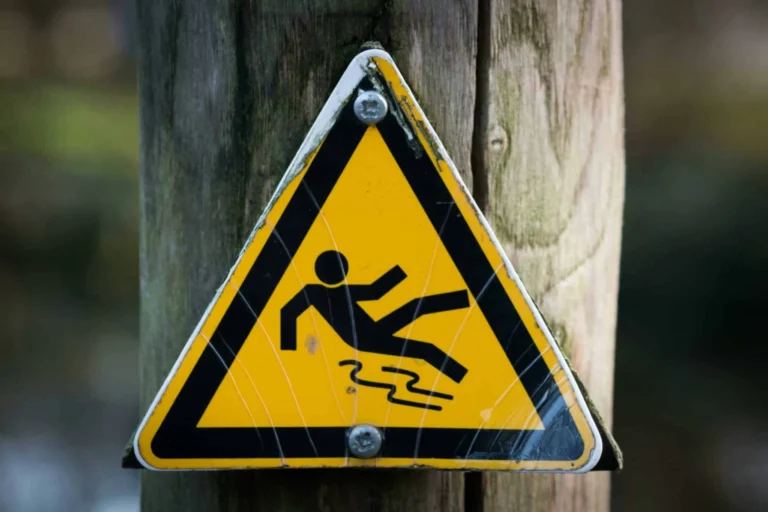
Most people think that falling down is just an accident. Whether you lose your balance on a wet floor or catch your toe on a broken sidewalk, the result is usually the same. You end up on the ground and probably have some painful injuries. However, when it comes to the law and your insurance claim, there is a big difference between a slip and a trip. Knowing which one happened to you is the first step in getting a fair settlement.
Over 52,000 people go to the hospital every year because they fell on a hazard. In total, falls lead to about 8 million emergency room visits annually. If you tell an insurance company the wrong story, they might try to say you are lying. They look for any reason to deny a claim. Understanding the physics of your fall helps you keep your story straight.
What is a Slip and Fall Accident
A slip happens when there is not enough friction between your shoes and the floor. This usually occurs because the floor is slick or has a low coefficient of friction. Your foot loses its grip and slides out from under you. When this happens, your feet usually kick forward, and your body falls backward or to the side.
Common causes of slips include:
- Recently waxed or mopped floors without a warning sign.
- Spilled liquids like water, soda, or oil in a grocery store aisle.
- Melted snow or ice that was tracked inside a building.
- Loose rugs or carpets that do not have a rubber backing.
When you slip, you often land on your back, your hips, or the back of your head. This is why slips are a leading cause of traumatic brain injuries. In fact, falls cause about 40 percent of all brain injuries in the United States. You might also suffer from a broken tailbone or a spinal cord injury because the impact goes straight up your back.
What is a Trip and Fall Accident
A trip is the opposite of a slip. Instead of having too little friction, your foot meets too much resistance. You catch your foot on a fixed object or an uneven surface. Your feet stop moving, but your top half keeps going forward. This causes you to topple over your center of gravity and land on your face, chest, or knees.
Common causes of trips include:
- Cracked or uneven pavement on a city sidewalk.
- Cluttered walkways with boxes or equipment in the way.
- Deep potholes in a parking lot.
- Poor lighting that makes it hard to see a step or an obstacle.
When you trip, your natural instinct is to put your hands out to stop the fall. This leads to broken wrists, fractured fingers, and elbow injuries. You might also hit your face or knees on the hard ground. Because your head snaps forward, neck injuries are also very common in tripping cases.
The Step and Fall Category
There is a third type of accident that many people forget about, called a step and fall. This happens when you step into a low spot or a hole that you did not see. It could be a missing step on a staircase or a large gap in a floor. These are different because your foot does not slide or get caught. Instead, the ground is simply not where you expected it to be. These often result in severe ankle sprains or broken legs because your limb twists as you drop into the hole.
Why the Details Matter for Your Case
The direction you fell tells a story about what caused the accident. If you tell a lawyer that you slipped on water but your medical records show you broke your nose and fell forward, the insurance company will get confused. They will argue that water does not cause people to fall forward. They use these small details to make it look like you are not telling the truth.
To win a premises liability case, you have to prove that the property owner was negligent. This means they had a duty of care to keep you safe, and they failed. Lawyers look for two types of notice:
- Actual Notice: The owner knew the hazard was there because they saw it or someone told them.
- Constructive Notice: The hazard was there for a long time, and a reasonable owner should have found and fixed it during a normal inspection.
Injuries and Costs You Can Recover
Falls are not just embarrassing. They are expensive. About 95 percent of all broken hips are caused by falling. These injuries can keep you out of work for weeks or even months. If you are hurt on someone else’s property, you can ask for money to cover several things:
- Current medical bills and future doctor visits.
- Costs for surgery or physical therapy.
- Wages you lost because you could not work.
- Personal items that broke during the fall, like a phone or glasses.
What to Do After You Fall
If you experience a fall, try to stay calm. Take a look at exactly what caused you to go down. Was it a wet spot or a piece of wood? Take photos of the area immediately. If a store manager cleans up the spill before you get a picture, it is much harder to prove what happened.
Write down the names of any witnesses who saw you fall. Their version of the story can be very helpful later. You should also go to a doctor right away. Some injuries, like internal bruising or brain trauma, do not hurt immediately but can become very serious if you wait to get help.
Contact Philly Slip and Fall Guys Today
If you are dealing with pain and medical bills from a fall, you do not have to handle the insurance companies alone. Our team understands the difference between a slip and a trip, and we know how to build a case that protects your rights. We can help you gather evidence and fight for the money you deserve for your injuries. Give Philly Slip and Fall Guys a call at 215-268-6898 to talk about what happened and learn about your options.