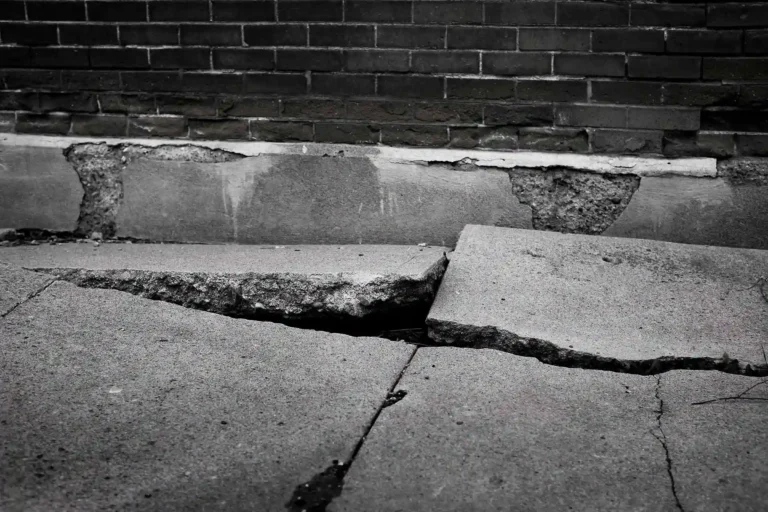
You trip on a cracked sidewalk slab or a curled edge of carpet. Later, the property owner’s insurance company says you should have seen it. That argument is called the open and obvious defense, and owners use it often in trip and fall cases. A raised crack or a cord on the floor can look easy to spot once someone points it out. Pennsylvania law is less simple than the insurer makes it sound. An owner can raise the defense, but it does not always win. This article explains how it works, when it fails, how your own share of fault is counted, and what deadlines apply after a fall.
If an adjuster told you the fall was your own fault, you do not have to accept that answer yet. Philly Slip and Fall Guys can look at what happened and explain your options. Call 215-268-6898 to talk about your fall.
Key Takeaways
- A Pennsylvania property owner can argue that a tripping hazard was open and obvious, but the argument does not automatically end your claim.
- Under Restatement (Second) of Torts § 343A, an owner can still be responsible if it should have expected someone to be hurt despite how visible the hazard was.
- Courts usually let a jury decide whether a hazard was obvious. A judge decides only when reasonable people could not disagree.
- Under 42 Pa.C.S. § 7102(a), you can generally recover reduced damages if your fault is not greater than the fault of the defendants.
- You usually must prove duty, notice, causation, and damages.
- Most trip and fall lawsuits must be filed within two years under 42 Pa.C.S. § 5524. Claims against local agencies generally need written notice within six months under 42 Pa.C.S. § 5522.
- Saving evidence early can make a big difference.
How the Open and Obvious Defense Works in Pennsylvania
The defense comes from Restatement (Second) of Torts § 343A, which Pennsylvania courts follow. Under this rule, a person who controls land is generally not responsible to invited visitors for harm caused by a danger that is known or obvious to them. For tripping hazards, these could be a broken step, a raised sidewalk slab, a torn floor mat, a pothole in a parking lot, or a cord stretched across a walkway.
The rule has a catch. The owner can still be liable if it should have expected the harm even though the danger was visible. Courts often ask whether the owner could reasonably guess that people would run into the hazard anyway. This is why foreseeability sits at the center of many trip and fall cases. A visible crack in a doorway everyone must use is very different from a crack in a corner no one needs to cross.
What Known or Obvious Means
A hazard is usually obvious when a reasonable person in the visitor’s position would see both the condition and the risk it created. Both parts matter. You might notice a mat on the floor without realizing its edge was folded up and ready to catch a shoe.
Many things change what a reasonable person would notice. Poor lighting, rain, crowds, shadows, and the way a room is laid out can all hide a hazard. A gray curb in a gray parking lot at dusk is a good example. Because of this, courts usually leave the question of obviousness to the jury. A judge takes it away from the jury only when reasonable minds could not differ.
How Courts Treated Obvious Dangers in the Past
Before 1976, the obvious danger argument carried much more weight in Pennsylvania. Under the old contributory negligence rule, even a small amount of carelessness could stop an injured person from recovering anything. Comparative negligence changed that. Today, being partly at fault does not automatically end a case.
The open and obvious doctrine still exists, though. It works as a no duty rule. If a court finds the owner owed no duty because the danger was known or obvious, the case can end before anyone weighs fault percentages.
When an Owner Can Still Be Liable for an Obvious Tripping Hazard
Section 343A says an owner may owe a duty when it should expect that visitors will not protect themselves. The exception matters most when a visitor had no reasonable way to avoid the hazard.
Situations Where the Exception May Apply
Courts may look at facts like these:
- The only entrance to a store or office crossed a broken threshold or a damaged walkway
- A worker or customer had to use one stairway that had a loose or uneven step
- Displays, signs, or a busy crowd pulled attention away from the floor
- The owner knew people kept tripping in the same spot and did nothing
- Weather, shadows, or poor lighting made the hazard harder to judge
None of these guarantees you will win. Each depends on the facts. They do show why the word obvious should not be the end of your questions.
Tip: Take a photo of the hazard from the spot where you first saw it, not only up close. A wide shot can show whether the danger was easy to miss or impossible to avoid.
A Look at Carrender v. Fitterer
Pennsylvania cases such as Carrender v. Fitterer are often cited in this area. It is worth knowing that the court in that case ruled for the owner. The plaintiff knew about visible ice and chose to walk across it when a safer path was available. The court found no duty under those facts.
The lesson is about options. If a safer route existed and you chose the risky one, the defense gets stronger. If you had no real choice, the defense gets weaker.
Comparative Negligence and Your Share of Fault
Even when a hazard was obvious, you may still recover money. Pennsylvania’s comparative negligence law, 42 Pa.C.S. § 7102(a), covers negligence cases that involve injury to a person or property. That includes trip and fall claims. Your own carelessness does not block recovery as long as it is not greater than the fault of the defendants you are suing.
This is called a modified comparative negligence rule. Here is how it plays out:
- 0 percent at fault: your damages are generally not reduced
- 30 percent at fault: your damages are generally cut by 30 percent, so you keep 70 percent
- 50 percent at fault: you can still recover, but the award is cut in half
- 51 percent or more at fault: recovery is generally barred
Here is another example. A jury decides you were 40 percent at fault and the owner was 60 percent at fault. Your award would be reduced by 40 percent.
A jury usually sets these percentages, and they are often fought over. Insurers may say you were texting, wearing the wrong shoes, or ignoring a warning sign. They may also argue that the hazard was so plain that most of the blame belongs to you. Evidence about lighting, warnings, and how you were using the property can move that number.
Other Defenses Property Owners Use
The open and obvious defense is rarely the only one. Owners and insurers often stack several arguments, so it helps to know what else you may hear.
The No Notice Defense
An owner may say it did not know about the hazard. You usually must show the owner created the danger, knew about it, or should have known about it in time to fix it. If an employee left a cord across a hallway, notice is generally presumed. If another customer caused the problem a moment before you fell, the owner may say there was no time to react.
A hazard that sat there for weeks tells a different story. Inspection logs, cleaning schedules, employee records, and old complaints can show that the owner should have caught the problem.
Limited Tort and the Serious Injury Argument
Pennsylvania’s limited tort option is part of car insurance. It can limit pain and suffering claims unless an injury is serious, and it mainly applies to car accident cases. It usually does not control a trip and fall claim against a property owner. Even so, insurers sometimes use the same kind of reasoning to say your injury was minor and your claim is worth little.
A sprain with bruising may be called minor. A broken bone, permanent scarring, or loss of function tells a bigger story. Clear medical records and honest notes from your doctors help show what the fall really cost you.
The No Duty Owed Argument
Some owners say they owed you nothing at all. This often comes up when a person was on the land without permission or after hours. Pennsylvania law looks at your legal status, which can be invitee, licensee, or trespasser, to decide what duty the owner had. Even then, an owner cannot set traps or act recklessly toward people on the property.
The Trivial Defect Argument
Owners also say a defect was too small to matter, like a slightly uneven sidewalk joint. Courts may agree when a defect is truly minor. This depends on the size of the defect and the surrounding conditions, such as lighting, foot traffic, and the type of property.
What You May Need to Prove After a Trip and Fall
The injured person generally carries the burden of proving each part of a premises liability claim. In most cases, that means showing:
- The owner or occupier owed you a duty to fix the property or warn about hazards
- The owner had actual or constructive notice of the dangerous condition
- The condition caused your fall and injuries
- You suffered real damages, such as medical bills or lost wages
Notice is often the most fought over part. If the owner made the hazard, notice is generally presumed. If not, a hazard that stayed in place for a long time may show the owner knew or should have known.
Snow and ice cases can be different. Pennsylvania’s hills and ridges doctrine generally requires proof that snow or ice built up into dangerous ridges or bumps, and that general slippery conditions did not exist throughout the community. It does not usually apply to a plain trip over a broken step, but insurers may bring it up in winter cases.
Evidence that helps counter the defenses includes:
- Surveillance video
- Witness statements
- Cleaning and inspection records
- Past complaints or earlier falls at the same spot
- Photos of the hazard and the lighting around it
- Medical records tied to the fall
Tip: Ask the owner or manager in writing to keep any surveillance video. Many systems overwrite old footage within days or weeks.
Tripping Hazards on Sidewalks and Claims Against Local Government
Falls on public sidewalks bring in a different set of rules because of Pennsylvania’s governmental immunity law. Under 42 Pa.C.S. § 8542(a), a local agency can be held liable only if the damages would be recoverable against a private person without an immunity defense. The injury must also come from the negligent acts of the agency or its workers and fit a listed exception in § 8542(b). The open and obvious argument can come up against government defendants too.
Sidewalk Liability Under 42 Pa.C.S. § 8542(b)(7)
A local agency may be liable for a dangerous condition of sidewalks within the rights-of-way of streets the agency owns. You must show the condition created a reasonably foreseeable risk of the kind of injury you suffered. You must also show the agency had actual notice, or notice it should have had, early enough to act.
In many sidewalk cases, the adjoining property owner is the main target. Under the same law, when another person such as the abutting owner is responsible for the sidewalk, that person is primarily liable and the agency is only secondarily liable.
Claims against local agencies also need written notice within six months under 42 Pa.C.S. § 5522. That is separate from the lawsuit deadline. Damages against local agencies are also capped under 42 Pa.C.S. § 8553, so getting advice early matters.
Filing Deadlines for Pennsylvania Trip and Fall Claims
A trip and fall lawsuit in Pennsylvania generally must be filed within two years of the injury. That rule appears in 42 Pa.C.S. § 5524(2), and § 5524(7) adds a two year limit for other tort based claims. Whether the hazard was open and obvious does not change this clock.
Some exceptions can pause or extend the deadline, such as minority tolling under 42 Pa.C.S. § 5533(b). Courts tend to read these exceptions narrowly, so you should not assume one applies to you.
Tip: Keep a simple daily journal of your pain, missed work, and daily limits. Notes written at the time can show losses that medical records leave out.
Frequently Asked Questions
Can a property owner argue that a tripping hazard was open and obvious in Pennsylvania?
Yes, owners can and often do. Whether it works depends on the facts. Under § 343A as Pennsylvania courts apply it, an owner may still be liable if it should have expected the harm even though the hazard was visible.
Does the open and obvious defense automatically defeat my claim?
No. Courts usually let a jury decide if a hazard was obvious. Lighting, distractions, and whether you had another way to go all matter.
What if I saw the hazard but had no choice but to cross it?
That is one of the strongest situations for an injured person. When a hazard cannot reasonably be avoided, courts may find the owner still owed a duty. A jury may still decide you share some of the fault.
Can I recover money if I was partly at fault for tripping?
Generally yes, as long as your fault is not greater than the combined fault of the defendants. Under 42 Pa.C.S. § 7102(a), your damages are reduced by your percentage of fault.
How long do I have to file a trip and fall lawsuit?
Generally two years under 42 Pa.C.S. § 5524. Claims against local agencies also need written notice within six months under 42 Pa.C.S. § 5522. Exceptions are narrow.
Talk to a Philadelphia Trip and Fall Lawyer Today
A visible hazard does not always end a Pennsylvania premises claim. Owners can still be responsible when they should have expected someone to get hurt, and comparative negligence often allows partial recovery. The sooner you act, the easier it is to save evidence and stay inside the filing deadlines.
If you were hurt in a trip and fall, Philly Slip and Fall Guys can go over your situation and explain where you stand. Call 215-268-6898 to start a free conversation about your next steps.
This content is for general information only and is not legal advice. Every case is different, and results can vary. Talk to an attorney about your own situation.