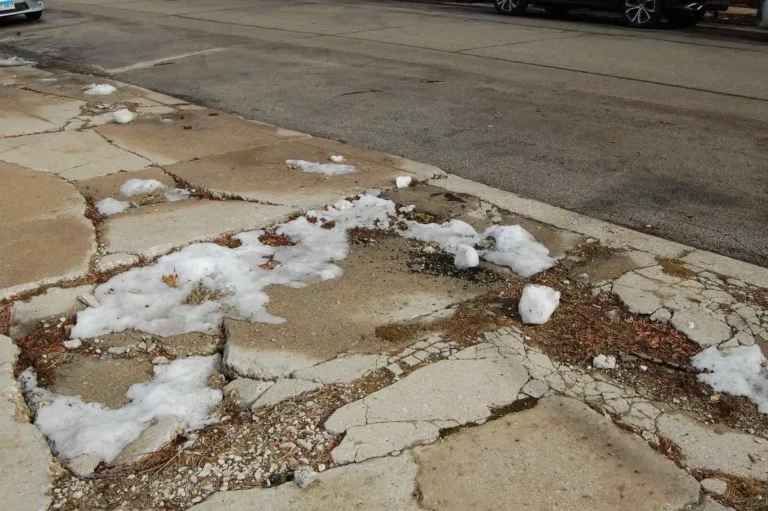
You might be dealing with more than pain right now. One bad step, a wet floor, a broken stair, or poor lighting can turn an ordinary day into doctor visits, missed work, and a lot of stress. Then the questions start. How do you show the property owner was at fault? What evidence matters? And what happens if the insurance company acts like your fall was your fault?
That is where a Philadelphia guide to proving a slip and fall injury under premises liability can help. In simple terms, you usually need to show that a dangerous condition existed, the owner knew or should have known about it, they did not fix it or warn you, and that failure caused your injury. In Pennsylvania, those details matter, and small facts often decide whether a claim moves forward or falls apart.
What Do You Actually Have to Prove in a Philadelphia Slip and Fall Case?
In most slip and fall injury claims in Philadelphia, the case is built on negligence. That means you must prove the property owner or occupier failed to use reasonable care. A fall by itself is not enough. You need a link between the hazard and the injury.
So, what does that usually look like? First, there must have been a dangerous condition, such as a spill, uneven flooring, loose handrail, icy walkway, or poor lighting. Second, the owner must have created the hazard, known about it, or should have discovered it through reasonable inspection. Third, they must have failed to correct it or warn visitors. Fourth, your injury must have come from that condition, not from something unrelated.
Pennsylvania courts often focus on notice. Did the owner know the floor was wet? If not, had it been there long enough that they should have known? That issue comes up again and again in federal premises liability decisions applying Pennsylvania law, where claims can be dismissed when proof of notice is too thin.
Why Is Proving Notice So Hard After a Fall?
This is where many people feel stuck. You know you were hurt. You know the condition was dangerous. But the property owner may deny knowing anything about it, and the hazard may be cleaned up before you even leave in an ambulance.
Because of that, the strongest cases often depend on fast evidence. Store surveillance footage, incident reports, witness names, photos of the scene, and medical records can all help show what happened and when. If a puddle had footprints through it, for example, that may suggest it had been there for a while. If employees walked past it without doing anything, that can matter too.
Pennsylvania appellate decisions also show how fact specific these cases are. You can review recent reasoning from the courts in this Pennsylvania Superior Court opinion on premises liability issues and this Pennsylvania Supreme Court opinion discussing liability standards. The lesson is simple. Details win cases.
What If the Property Owner Says You Were Careless?
That is a common defense. The owner may argue the hazard was open and obvious, that you were distracted, or that your shoes, phone use, or speed caused the fall. So where does that leave you?
In Pennsylvania, shared fault can affect compensation. If you are found partly responsible, your recovery may be reduced. If you are more responsible than the defendant, recovery may be barred. That means the defense will often look for anything that shifts blame onto you.
This is why timing matters. If you wait too long to document your injuries, seek treatment, or report the fall, the defense may argue the incident was minor or unrelated. In a guide to proving a fall injury case, that point cannot be ignored. Gaps in proof can become the center of the dispute.
How Does Evidence Compare When You Gather It Early Versus Late?
When people try to handle everything alone while they are hurt, tired, and missing work, evidence can disappear fast. A simple comparison makes the risk clearer.
| Issue | Evidence Gathered Early | Evidence Gathered Late |
|---|---|---|
| Scene photos | Shows the hazard as it appeared right after the fall | Condition may be cleaned, repaired, or changed |
| Witness statements | Memories are fresh and names are easier to confirm | Witnesses may forget details or become hard to locate |
| Surveillance video | Can capture the hazard, timing, and staff response | Many systems overwrite video within days or weeks |
| Medical records | Creates a clear link between fall and injury | Delays can trigger arguments about another cause |
| Incident reports | May preserve the owner’s first version of events | Details may be disputed later |
What Can You Do Right Now to Protect a Premises Liability Claim?
1. Get medical care and follow through.
Your health comes first, and your records matter. Tell the provider where you fell, how you fell, and what hurts. Keep appointments and follow treatment advice. If pain gets worse, report that too.
2. Preserve the scene and the paper trail.
Take photos of the exact area, your injuries, and anything that may have caused the fall. Save shoes and clothing. Write down the date, time, weather, and what you remember. If anyone saw the fall, get their contact information.
3. Speak with a lawyer before giving detailed statements.
Insurance adjusters may sound helpful, but their job is to limit payouts. Before you give a recorded statement or accept a quick offer, it helps to understand the full value of your claim and the proof still needed for a premises liability case.
When Should You Reach Out for Help?
If your injuries are affecting your work, mobility, or daily life, you do not need to figure this out alone. A fall case can look simple from the outside, yet become difficult once the owner denies notice or blames you. The good news is that clear, early action can make a real difference.
If you need guidance, contact Philly Slip and Fall Guys in Philadelphia, PA, at 215-268-6898 for a free consultation. You deserve answers, support, and a fair chance to prove what happened.