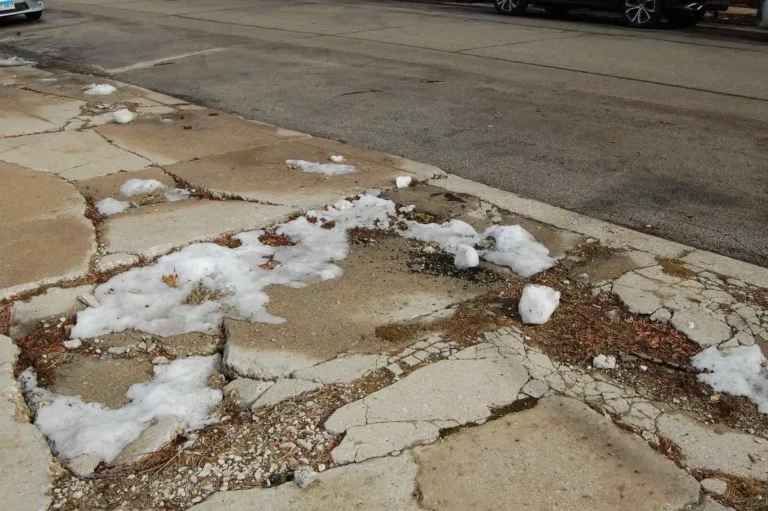
You might be dealing with more than pain right now. One bad step, one cracked slab, one uneven stretch of sidewalk, and suddenly the day is split into a before and after. Before, you were walking to work, heading home, or running an errand. After, you were hurting, embarrassed, and left wondering who should be responsible. That confusion is common, especially when a fall happens on an older city sidewalk that looks like it has been broken for years.
Here is the short answer. Why older Philadelphia sidewalks create more legal questions than most injury victims expect often comes down to ownership, maintenance duties, notice of the defect, and whether a city agency, private owner, or another party had legal responsibility for the area. In Philadelphia, those answers are not always obvious from the curb.
Why can one cracked sidewalk in Philadelphia lead to so many liability questions?
When you fall, it seems simple at first. The sidewalk was damaged, you got hurt, and someone should pay. But older sidewalks in Philadelphia can raise hard questions because the person or entity responsible for upkeep is not always the same one that owns nearby property. In some places, an abutting property owner may have maintenance duties. In others, the City may control nearby roadway or infrastructure issues. You can see how the City addresses roadway and related upkeep through the Philadelphia Department of Streets maintenance information.
Because of that split responsibility, a case can turn on details that most people would never think to check. Was the broken section caused by tree roots, utility work, water damage, old settlement, or a recent construction patch? Did anyone report the defect before your fall? Was the condition open and obvious, or was it hard to see in poor light or bad weather?
So, where does that leave you? Usually in a place where facts matter more than assumptions. A sidewalk injury claim may involve city rules, property records, notice requirements, and timelines that move faster than many people expect.
How do age, repairs, and patchwork conditions affect a sidewalk injury claim?
Older sidewalks often tell a messy story. In many Philadelphia neighborhoods, concrete sections were installed decades ago, patched over time, and affected by freeze and thaw cycles, tree growth, and utility access. That history matters. A fresh break can raise one set of issues. A defect that has existed for months or years can raise another, especially if people complained about it before.
This is where many injured people feel stuck. If the sidewalk was old, does that automatically help your case? Not always. Age alone does not prove fault. You still need to show that a party had a duty, knew or should have known about the dangerous condition, and failed to address it within a reasonable time.
At the same time, old sidewalks can support a claim when the wear was visible, long standing, and ignored. That is one reason old sidewalk accident claims in Philadelphia often depend on photos, witness accounts, maintenance records, and prompt investigation.
There is also the public versus private issue. Some sidewalks sit near state routes or areas affected by PennDOT oversight, which can add more layers to the question of responsibility. PennDOT explains some of its general responsibilities in its frequently asked questions. Research on sidewalk project barriers across Pennsylvania also shows how funding, coordination, and responsibility can slow repairs, as discussed in this Pennsylvania sidewalk implementation study.
What practical issues make older sidewalk cases harder than people expect?
The legal side is only part of the stress. After a fall, you may be missing work, trying to get treatment, and hearing from insurers who want quick statements. Meanwhile, the sidewalk may be repaired before you even know what evidence mattered. That can weaken your position if no one documented the hazard right away.
In many sidewalk fall legal issues, the difference between a stronger claim and a disputed one comes down to early evidence. Here is a simple comparison that can help.
| Issue | If You Act Quickly | If You Wait |
|---|---|---|
| Photos of defect | You may capture cracks, height changes, debris, lighting, and warning signs or lack of them | The area may be repaired, cleaned, or altered |
| Witness information | Names and contact details are easier to collect while memories are fresh | Witnesses may be hard to find or forget details |
| Property and maintenance review | Responsibility can be traced before records get harder to gather | Delay can create disputes about who controlled the area |
| Medical connection | Records can link the fall to your injuries more clearly | Insurers may argue your injuries came from something else |
What can you do right now if you were hurt on an older sidewalk?
- Document the scene as soon as you can. Take photos from different angles, including the full walkway, the defect itself, nearby addresses, signs, weather conditions, and lighting. If your shoes or clothing were affected, keep them.
- Get medical care and follow through. Even if you hoped the pain would pass, it is important to have your injuries evaluated. Gaps in treatment can make a premises liability claim harder to prove, and your health needs attention first.
- Find out who may be responsible before speaking too freely with insurers. In older sidewalk cases, fault is often less clear than it looks. A quick investigation can help identify whether a private owner, a public entity, or another party may be involved.
When does it make sense to ask for legal help with a sidewalk fall?
If your injuries are more than minor, if you missed work, if the sidewalk defect was serious, or if you are already getting mixed answers about responsibility, it is worth getting guidance. You do not need to figure out city rules, repair history, and notice requirements on your own while you are trying to heal.
Philly Slip and Fall Guys helps people in Philadelphia, PA, sort through these questions with care and clarity. If you were hurt and are not sure what your next move should be, a free consultation can help you understand your options. Call 215-268-6898 to talk through what happened and what may come next.