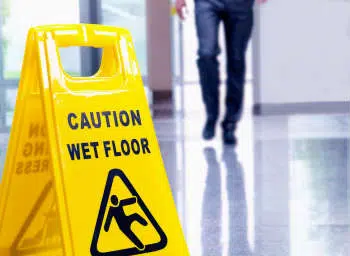
Slip and fall accidents happen in seconds, but the injuries can last months or even years. Most people think these accidents only cause minor bumps and bruises. The truth is far more serious. Falls send more than 9 million Americans to emergency rooms every year. Many of these people end up with broken bones, head trauma, or spinal injuries that change their lives forever.
Whether you slip on a wet floor at the grocery store or trip on an uneven sidewalk in Old City, these accidents can leave you dealing with medical bills, lost wages, and painful recovery. Understanding what causes these accidents, who’s responsible, and what you should do afterward can protect your health and your rights.
How Common Are Slip and Fall Accidents?
Almost everyone has slipped, tripped, or fallen at some point. Maybe you caught yourself before hitting the ground, or maybe you weren’t so lucky. These accidents are incredibly common, and the numbers prove it.
According to the National Floor Safety Institute, 21% of all emergency room visits are for falls. Another 12% are specifically for slip, trip, and fall injuries. That means roughly one out of every three people in the emergency room is there because of a fall. We’re talking about millions of people every single year.
The numbers get even more serious when you look at older adults. Falls account for 87% of all fractures in people over 65. A simple slip on an icy sidewalk can lead to a broken hip that changes everything for a senior citizen.
Where Do These Accidents Happen?
Slip and fall accidents happen anywhere people walk. In Philadelphia, certain locations see more accidents than others because of the city’s unique features.
Shopping Centers and Stores
Center City shopping centers and retail stores are common accident sites. Wet floors from spills or mopping, cluttered aisles with merchandise, and poor lighting all create tripping dangers. Grocery stores are particularly risky because spills happen constantly and floors stay slick.
Sidewalks and Public Spaces
Philadelphia’s historic streets add character to the city, but they also create hazards. Old City sidewalks often have loose bricks and uneven pavement. The cobblestone streets that tourists love can turn into tripping dangers, especially when wet. Cracked concrete, broken steps, and unexpected changes in elevation catch people off guard every day.
Parking Lots and Garages
Potholes, poor drainage that creates puddles, and inadequate lighting make parking areas dangerous. People are often carrying bags or looking for their car keys instead of watching where they step.
Workplaces
Here’s something that might surprise you. The National Floor Safety Institute found that 85% of all worker’s compensation claims involve slick floors causing slip and fall injuries. That’s the vast majority of workplace accident claims.
The average slip and fall injury at work keeps people out for 11 days. Even more concerning, 22% of workplace slip and fall injuries result in 31 or more days of lost time. That’s more than a month away from work and a paycheck.
What Makes Someone Liable for Your Fall?
Property owners have legal duties to keep their spaces reasonably safe. This concept is called premises liability, and it’s the foundation of most slip and fall claims.
When a property owner ignores a hazard or fails to fix a known problem, they can be held responsible for injuries that result. This applies to business owners, landlords, homeowners, and even the city itself in some cases.
But there’s a catch. You can’t hold someone liable just because you fell on their property. You need to show that:
- A dangerous condition existed
- The property owner knew about it or should have known about it
- The owner failed to fix it or warn people about it
- This failure directly caused your injury
For example, if a store employee mops the floor and doesn’t put up a warning sign, and you slip on the wet floor minutes later, that’s a clear case of negligence. The store created the hazard and failed to warn customers.
Philadelphia’s Snow and Ice Rules
Winter weather brings a whole new set of problems. Ice and snow create some of the most dangerous conditions for pedestrians in Philadelphia.
The Six-Hour Rule
Philadelphia has a specific ordinance that property owners need to follow. After snowfall ends, businesses, homeowners, and landlords have exactly six hours to clear their sidewalks. This isn’t just a suggestion. It’s the law.
Let’s say a snow storm in South Philadelphia ends at 8 AM on a Tuesday. Every homeowner on that block needs to clear their sidewalk by 2 PM. A Center City business that fails to shovel creates a hazard and violates city ordinance.
Why This Matters for Your Claim
When property owners ignore this six-hour rule, it strengthens your legal position. City officials can issue fines for noncompliance. But more importantly for injury victims, these ordinance violations help establish negligence in civil cases.
If you slip on an icy sidewalk that’s still covered three days after a storm, that’s clear proof the property owner failed to meet reasonable safety standards. This kind of evidence makes a huge difference in settlement negotiations.
Why People Don’t Report These Accidents
Many people who get hurt in slip and fall accidents never file claims. They feel embarrassed about falling. They worry they’ll be seen as clumsy or looking for a quick payout. Some even laugh it off and make it into a funny story to tell friends.
Workplace Fears
Workers face additional concerns when they get hurt on the job. They’re afraid that filing a worker’s compensation claim will:
- Hurt their chances for promotion
- Make them look weak or careless
- Lead to retaliation from their employer
- Result in them getting fired
Here’s what workers need to know. It’s illegal for employers to refuse to file worker’s compensation claims. There are robust protections against workplace retaliation. Almost every worker has access to benefits when they’re injured on the job.
The “It’s Not That Bad” Mistake
Many people dismiss their injuries right after a fall. They figure if they can walk away, they’re fine. But soft-tissue injuries, back problems, and even some fractures don’t show their full impact immediately.
You might feel okay the day of the fall, then wake up the next morning barely able to move. Or the pain might gradually get worse over weeks and months. By the time you realize you have a serious injury, valuable evidence has disappeared and memories have faded.
What You Should Do After a Fall
The steps you take right after a slip and fall accident can make or break your claim. Here’s what you need to do to protect yourself.
Report the Incident Immediately
Tell someone in charge as soon as possible. If you fall in a store, notify the manager. If you’re on someone’s property, tell the homeowner or landlord. If you’re at work, report it to your supervisor.
Ask for an incident report and request a copy. This creates a formal record that the accident happened. Without this documentation, the property owner might later claim the fall never occurred or happened somewhere else.
Document Everything You Can
Pull out your phone and start taking pictures. You need visual evidence while the hazard still exists. Capture both wide shots that show the surrounding area and close-ups of the specific problem. Show that puddle, cracked tile, icy sidewalk, or broken step.
If there’s snow on the ground, photograph how much accumulation exists and any areas that haven’t been cleared. If you’re in a store, photograph the wet floor and whether any warning signs were posted. Take pictures of your injuries too, even if they seem minor at first.
Collect Witness Information
Other people may have seen you fall or noticed the hazard before your accident. Get names and phone numbers from anyone who witnessed what happened. Independent statements from witnesses who have no connection to you carry significant weight with insurance companies and courts.
Get Medical Attention Right Away
Go to the doctor or emergency room even if you think your injuries are minor. Some injuries don’t show symptoms immediately but can cause serious problems later. Medical records create a clear link between your fall and your injuries.
These records also document the severity of what you’re dealing with. Insurance companies will argue that delayed medical treatment means your injuries weren’t serious. Don’t give them that ammunition.
Keep Track of Everything
Save every medical bill, prescription receipt, and record of any expense related to your injury. Document every day you miss work. Keep a journal of your pain levels and how the injury affects your daily activities. This information proves the real impact the accident has had on your life.
Worker’s Compensation vs. Personal Injury Claims
If you were injured at work, you’re probably dealing with the worker’s compensation system. This is a no-fault system that covers your medical bills and provides some wage replacement while you recover.
The trade-off is that worker’s compensation doesn’t allow you to sue your employer for additional losses. You can’t recover money for pain and suffering or the full amount of your lost wages through worker’s comp alone.
When You Can File Both Claims
Sometimes injured workers have options beyond worker’s compensation. If someone other than your employer caused your accident, you might be able to file a third-party lawsuit while also collecting worker’s comp benefits.
For example, imagine you’re a delivery driver who slips on an unshoveled sidewalk at a business you’re delivering to. You can file a worker’s compensation claim with your employer and also file a personal injury lawsuit against the business that failed to clear their sidewalk.
These cases are complex, but they can result in significantly larger settlements that truly compensate you for everything you’ve lost.
Don’t Wait to Get Help
Slip and fall cases involve many complicated legal issues. Evidence disappears quickly. Witnesses forget details. Property owners fix hazards and claim they were never there. The longer you wait, the harder it becomes to prove what happened.
Philadelphia has specific ordinances that apply to these cases. Understanding premises liability law, knowing what evidence matters, and dealing with insurance companies that want to pay you as little as possible requires legal knowledge and experience.
If you or someone you love was injured in a slip and fall accident, Philly Slip and Fall Guys can help you understand your rights and options. We know Philadelphia’s laws, we understand how to build strong cases, and we fight for the compensation injured people deserve.
Medical bills pile up fast. Missing work puts families in financial stress. You shouldn’t have to face this alone while also trying to recover from your injuries. Call us at (215) 268-6898 to discuss your situation. The consultation is free, and there’s no obligation. We can review what happened, explain your legal options, and help you decide on the best path forward. Don’t let a property owner’s negligence cost you more than it already has.