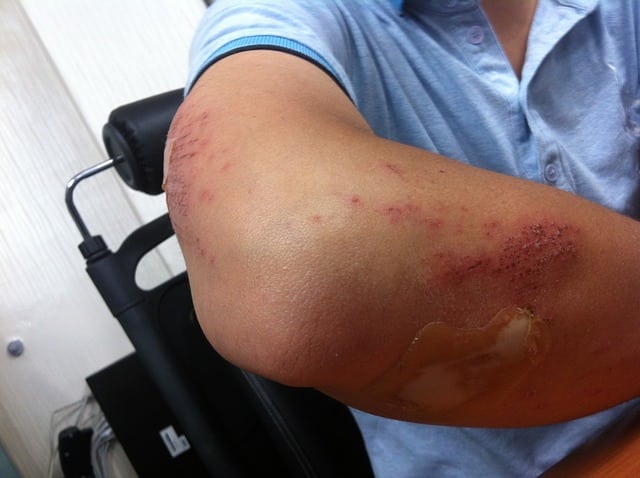
Slips, trips, and falls are the leading cause of injuries and deaths in the construction industry. According to the National Safety Council, 370 construction workers died in slip, trip, and fall accidents in 2016 alone. That accounted for one-third of all construction fatalities that year. The surgeries, hospital stays, and long recovery times tied to these accidents cost workers and employers millions of dollars every year.
Construction sites are dangerous by nature. Workers face risks every single day, from wet surfaces and scattered debris to unstable scaffolding and open trenches. Most of these accidents are preventable. Understanding what causes them and what the law says about them can make a real difference for anyone who works in construction or has a loved one who does.
What Causes Slipping Accidents on Construction Sites
Construction workers are more likely to slip than almost any other group of workers. The job puts them in conditions that create slipping hazards constantly, and many of those hazards are not always obvious.
Wet and Slippery Surfaces
Working outdoors on wet steel beams or icy, snow-covered surfaces is one of the most common causes of slipping. Spilled liquids and unsecured floor mats create the same kind of danger indoors. When a worker slips, the body reacts fast. Muscles tighten, arms and legs shoot out to try to stop the fall, and the body twists in ways it is not designed to move. That reaction alone can tear muscles and ligaments before a person even hits the ground.
Oily surfaces are especially tricky to deal with because oil does not clean up easily. Workers and employers need to take extra care around these areas. Laying down abrasives like salt, cat litter, sand, or dirt can help absorb oil and give boots something to grip on icy walkways. De-icing and snow removal should happen as soon as possible. If ice is allowed to melt and refreeze, the surface becomes even more dangerous.
Footwear and Traction
Wearing the right footwear is one of the simplest ways to reduce slipping accidents. Boots with rubberized, non-slip soles give workers much better traction on slick surfaces. Anti-slip mats and coatings throughout the work site also help a lot, especially in high-traffic areas. Any uneven surfaces should be clearly marked so workers know to slow down and pay attention.
What Causes Tripping Accidents on Construction Sites
Tripping accidents happen when a worker catches their foot on something in their path. The result can be a fall forward, backward, or directly into machinery, tools, or hard surfaces. These accidents cause injuries all over the body.
Common Tripping Hazards
The most common tripping hazards on construction sites include:
- Clutter and debris left on walkways and work surfaces
- Uncovered or loosely run cables and cords
- Unsecured or uneven flooring
- Torn or curled work mats
- Tools and materials left in high-traffic areas
When a worker trips, the injuries can affect the head, face, neck, shoulders, arms, and legs. If the fall sends them into exposed electrical components or hot surfaces, burns can result too. Tripping on scaffolding or elevated platforms can mean a fall from a serious height, which brings its own set of dangers.
Preventing Tripping Hazards
Keeping the work site clean is the most effective way to prevent tripping accidents. Debris should be cleared from walkways and work surfaces right away, not at the end of the shift. Work mats and flooring need to be firmly secured at all times. If they are torn or worn down, they should be replaced immediately. All workers should be trained to clean up their areas completely after finishing a task. A single cable left across a walkway or a pile of scrap materials by a door can cause a serious accident.
Fall Accidents: The Most Dangerous Category
Falls from heights are where slip and trip accidents turn truly deadly. Construction workers who fall from scaffolding, ladders, elevated platforms, or into open trenches suffer some of the worst injuries in any industry. Many of those injuries are fatal.
What Leads to Fall Accidents
Falls on construction sites are often caused by a combination of factors. Slippery or cluttered walkways near elevated areas increase the danger significantly. Unprotected edges and wall openings give workers no barrier between them and a drop. Ladders that are unstable, worn, or improperly positioned are a common source of falls. The biggest factor in many fall accidents is the failure to use fall protection equipment like tethers and harnesses.
Injuries from Fall Accidents
Survivors of serious fall accidents often require hospitalization, surgery, and both physical and cognitive therapy. Recovery periods can stretch on for months or longer. Some workers never fully recover. Falls from scaffolding or elevated platforms can cause spinal cord damage, traumatic brain injuries, and fractures. The financial impact is severe, and the emotional toll on families is just as heavy.
Fall Prevention on Construction Sites
Regular training on fall hazard recognition is one of the best tools available. Workers who know what to look for are better equipped to protect themselves and the people around them. Fall prevention efforts should also include:
- Installing guardrails and safety nets on all elevated work areas
- Providing personal fall arrest systems such as harnesses for workers at heights of six feet or more
- Inspecting scaffolding, ladders, and fall protection gear regularly
- Keeping all elevated walkways and platforms free of debris and clutter
- Making sure every worker is trained on site-specific fall risks before they start
Who Is Responsible When a Construction Worker Gets Hurt
Figuring out who is responsible after a slip, trip, or fall accident on a construction site is not always simple. More than one party can share the blame, and Pennsylvania law accounts for that.
Employer Responsibility
Employers have a legal duty to provide a safe working environment. That means more than just having safety equipment on hand. It means enforcing safety protocols, conducting routine site inspections, and making sure every worker is properly trained. When an employer fails to do any of those things and a worker gets hurt because of it, the employer can be held liable.
In Pennsylvania, workers’ compensation is typically the first path for injured workers. It covers medical expenses and a portion of lost wages without requiring the worker to prove that anyone was at fault. However, in cases where an employer showed gross negligence or intentional disregard for worker safety, a direct lawsuit may also be possible.
Third-Party Liability
Employers are not always the only party responsible. If a subcontractor left debris in a walkway that caused your fall, or if a piece of faulty equipment failed and sent you to the ground, the subcontractor or equipment manufacturer may be liable as well. Third-party claims let injured workers seek compensation from anyone other than their employer, whose negligence played a role in the accident. These claims can run at the same time as a workers’ compensation claim, meaning a worker does not have to choose one or the other.
Time Limits for Filing a Claim
Pennsylvania law gives injured workers two years from the date of the accident to file a personal injury claim. Missing that deadline almost always means losing the right to compensation. If you have been hurt on a construction site, the clock starts the day of the accident. Do not wait to look into your legal options.
Steps to Take After a Slip, Trip, or Fall Accident
If you are injured on a construction site, what you do right after the accident matters. Taking the right steps early can protect your health and your legal rights.
- Report the accident to your employer or supervisor right away. Waiting too long to report it can hurt your workers’ compensation claim.
- Get medical attention as soon as possible, even if you think the injury is minor. Some injuries, like traumatic brain injuries, do not show all their symptoms right away.
- Document the scene. Take photos of the hazard that caused your fall, your injuries, and the surrounding area. Collect contact information from anyone who witnessed what happened.
- Keep records of all medical visits, treatments, and any out-of-pocket costs connected to your injury.
- Talk to a personal injury lawyer before accepting any settlement offer from an employer or insurance company.
If You Have Been Hurt, Call Philly Slip and Fall Guys
Slip, trip, and fall accidents on construction sites can turn a worker’s life upside down in seconds. Medical bills add up fast, and being out of work makes everything harder. You should not have to face that alone.
Philly Slip and Fall Guys works with injured construction workers throughout Pennsylvania to help them understand their rights and go after the compensation they are owed. Whether your case involves a workers’ compensation claim, a third-party lawsuit, or both, we are here to help you through every part of the process. Call us today at 215-268-6898 to set up a free consultation. We are ready to get to work for you.