You might be replaying the moment in your head: one wet floor, one uneven step, one loose mat, and suddenly life is split into before and after. Before, you were running errands, heading to work, visiting a store, or walking through an apartment building. After, you are dealing with pain, missed time from work, medical bills, and the uneasy question of whether this could have been prevented. If that sounds familiar, you are not overreacting. Many slip, trip, and fall hazards in Philadelphia that lead to injury claims come from conditions property owners should have addressed.
The short version is simple. Falls often happen because of unsafe walking surfaces, poor maintenance, weak lighting, spills, clutter, or broken stairs. When a business, landlord, or property owner knew, or should have known, about the danger and failed to fix it, a claim for premises liability may follow. So, where does that leave you?
What kinds of slip and fall dangers in Philadelphia cause serious injuries?
Most people think of a grocery store spill, and yes, that is a common cause. But slip and fall dangers in Philadelphia show up in many places, including apartment complexes, sidewalks, office buildings, hospitals, restaurants, parking lots, and schools. A polished floor without warning signs, icy entryways, loose handrails, torn carpeting, cracked pavement, and poor drainage can all turn an ordinary day into an injury claim.
The hard part is that these cases are rarely just about the fall itself. The injury can ripple through every part of your life. A back injury may keep you from lifting your child. A wrist fracture may make it hard to drive or type. A head injury may leave you with headaches, fog, and fear every time you walk on a slick surface again. Because of this tension, you might wonder whether the law actually takes these incidents seriously. It does, when the facts show the property was not kept reasonably safe.
Federal safety rules offer a useful reference point. OSHA requires walking working surfaces to be kept clean, orderly, and in a sanitary condition under its walking working surfaces standard. OSHA also provides general guidance on slips, trips, and falls prevention, along with examples of how these hazards appear in busy facilities such as hospitals through its hospital slip, trip, and fall hazard resource. While not every injury claim is an OSHA case, these safety standards help show what reasonable care can look like.
Why do trip and fall accidents turn into legal and financial stress so fast?
A fall can look minor at first. You may feel embarrassed, stand up quickly, and try to move on. Then the pain sets in hours later, or the next morning, and now you are facing urgent care, imaging, follow up visits, and time away from work. Insurance companies may act as if the hazard was obvious, or suggest you were distracted. Meanwhile, evidence can disappear fast. A spill gets cleaned. Snow melts. Security footage is overwritten. Witnesses leave.
That is why timing matters in a trip and fall accident claim. The issue is often not just whether you fell, but why you fell and whether the property owner had notice of the danger. Did employees walk past the spill without cleaning it? Had tenants complained about the broken stair for weeks? Was the lighting out in a hallway where others had nearly fallen before? These details can shape whether a claim succeeds.
How can you tell whether a hazard may support a premises liability claim?
Not every fall leads to a claim, but many do when there is proof of negligence. A useful way to think about it is this. Was there a dangerous condition? Did the owner or occupier know about it, or should they have known? Did they fail to fix it or warn people in time? Did that failure cause your injury? If the answer to those questions may be yes, it is worth taking a closer look.
| Hazard | Common Setting | Why It Matters in a Claim |
|---|---|---|
| Wet or recently mopped floor | Grocery stores, lobbies, restaurants | May show poor cleanup practices or missing warning signs |
| Broken step or loose handrail | Apartment buildings, porches, stairwells | Can point to ignored maintenance problems |
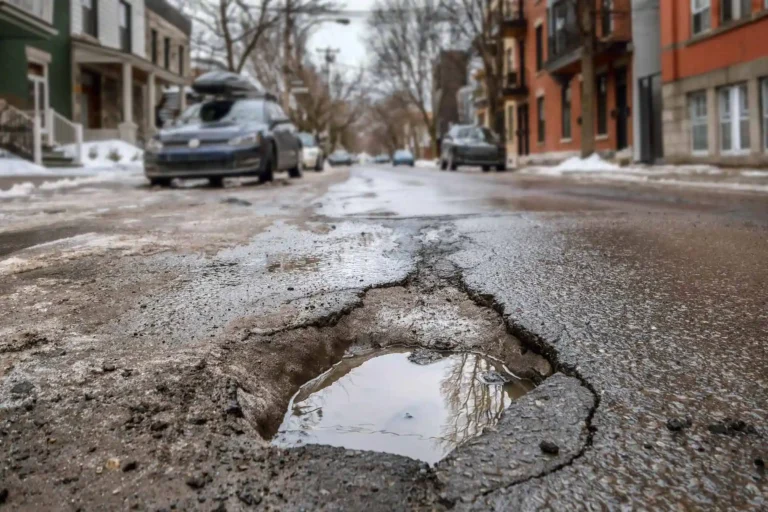
| Uneven sidewalk or pothole | Parking lots, walkways, entrances | May show long standing repair issues |
| Poor lighting | Hallways, garages, exterior paths | Makes hazards harder to see and can show unsafe conditions |
| Clutter or cords in walkways | Retail spaces, offices, medical buildings | May show unsafe housekeeping and blocked paths |
What can you do right now if you were hurt by a slip, trip, or fall hazard?
1. Get medical care and follow through.
Your health comes first, even if you think the injury will fade. Prompt treatment protects you physically and creates a record that connects the fall to your injuries. Be honest about every symptom, including pain, dizziness, numbness, or trouble sleeping.
2. Preserve the scene and your records.
Take photos of the hazard, your shoes, and the area around the fall if you can do so safely. Save clothing, receipts, incident reports, discharge papers, and messages with the property owner or insurer. If anyone saw what happened, get names and contact information. Small details often become important later.
3. Speak with a premises liability lawyer before giving detailed statements.
You do not need to figure this out alone. A lawyer can assess whether the evidence supports a claim, identify who may be responsible, and help protect you from saying something that could be used against you. If you need guidance, Philly Slip and Fall Guys in Philadelphia, PA can help you understand your options with a 215-268-6898 free consultation.
When should you reach out for help after a Philadelphia fall injury?
If you are hurting, missing work, or unsure who is responsible, that is reason enough to ask questions. You do not have to wait until bills pile up or an insurer starts pushing back. Early action can help preserve evidence and reduce stress at a time when you already have enough on your shoulders.
A fall can leave you shaken, frustrated, and uncertain about what comes next. That is normal. What matters now is taking steady steps to protect your health and your rights. If you want clear answers about a possible claim tied to slip, trip, and fall hazards in Philadelphia, contact Philly Slip and Fall Guys for a free consultation at 215-268-6898.