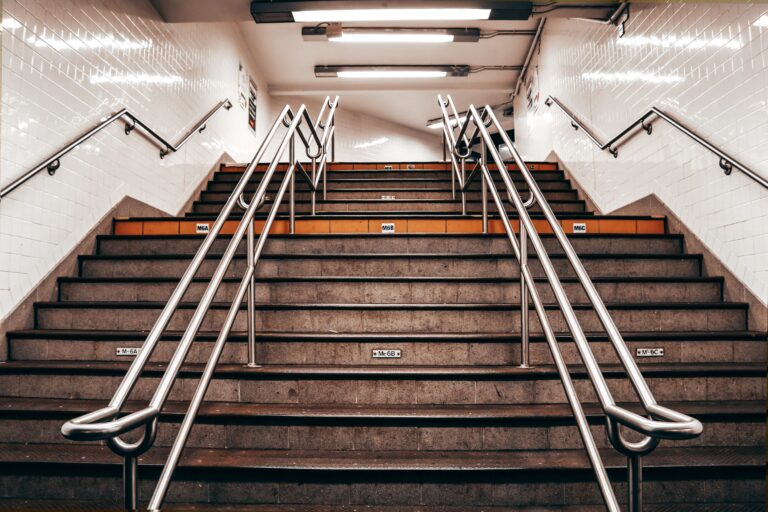
It might have started as an ordinary ride. You were getting on or off a SEPTA bus, stepping onto a trolley, or walking down subway stairs, then in a split second, you were on the ground, hurting, embarrassed, and wondering what just happened. Now you might be replaying the fall in your head, worrying about pain, missed work, and who will pay the bills.
If you are reading this, you are probably also wondering whether there is camera footage, whether anyone will believe you, and how long you have before important evidence disappears. You are not overreacting. With transit injuries, time and proof are everything.
Here is the short version. If you fell on a SEPTA bus, trolley, or subway stairs, you may have a premises liability claim. Surveillance video and other evidence can be erased or lost quickly. Reporting the incident, getting medical care, and speaking with a premises liability attorney in Philadelphia as soon as possible can make the difference between being stuck with the costs and getting real help.
What Makes a SEPTA Fall Different From a “Regular” Slip and Fall?
After a serious fall, people often blame themselves. You might be thinking you should have watched your step, or worn different shoes, or held the rail tighter. It is natural to feel that way. It is also possible that your fall was not your fault at all.
Public transit injuries are different from a spill at a grocery store or a broken step at a friend’s house. SEPTA vehicles and stations are part of a public transportation system with its own safety standards, inspection routines, and legal rules. That means your case is not just about how you fell. It is about whether SEPTA or another party failed to keep riders reasonably safe.
Consider a few common situations.
- A bus driver pulls away from the curb before you are seated, causing you to lose your balance.
- Subway stairs are wet and slimy from a leak that has been there for weeks with no warning sign.
- A trolley floor is littered with debris from earlier riders that no one bothered to clean up.
- A broken handrail in a station makes it impossible for you to steady yourself on steep steps.
In each of these examples, it is not just bad luck. It is a safety problem that could support a SEPTA slip and fall claim.
Why Does the Video Matter So Much, and how Fast Can it Disappear?
Because you were on public transit, there is a good chance your fall was recorded. Buses, trolleys, and many stations use cameras to monitor operations. That video can be powerful proof of what really happened. It can show the condition of the stairs, how the driver operated the vehicle, whether there were warning signs, and how quickly staff responded.
Here is the hard truth. Transit agencies do not always keep video very long. Some systems automatically record over old footage after a set period. The details of how transportation agencies manage data and safety programs are discussed in federal resources such as the Federal Highway Administration guidance on operations and safety. The technical rules are not your job to memorize, but they highlight one thing. If you wait, key evidence can be gone forever.
So where does that leave you if you are home, hurt, and unsure what to do next?
It leaves you in a race against time, especially in Philadelphia, where claims against public bodies like SEPTA have strict deadlines. The sooner someone acts for you, the better the chance of preserving surveillance footage, maintenance logs, and witness information.
What Makes These Cases Emotionally and Financially Draining?
A fall on public transit can shake your sense of safety. You might now feel anxious every time you approach a bus or subway entrance. Maybe you are dealing with back pain, a torn ligament, or a fracture and you cannot climb stairs easily, yet the city is full of them.
On top of the physical pain, there is the financial weight. Medical visits, imaging, prescriptions, and physical therapy all add up quickly. If you miss work, your paycheck drops at the same time your costs rise. You may feel pressure to accept a quick offer or to do nothing at all, just to avoid conflict.
Then there is the legal side. SEPTA is not a corner store. It is a public authority with lawyers, forms, and procedures. There are special rules for bringing claims against government-related entities, and there are damage limits and strict notice requirements. Those rules are explained in government publications such as federal transit safety and liability reports, but when you are hurting, trying to decode all of that alone is exhausting.
Because of this tension, you might wonder whether you should even bother. You may worry that SEPTA will blame you, or that you waited too long, or that your injuries are “not bad enough” to matter. These doubts are common. They are also the reason careful guidance can help you see what your options really are.
Should You Handle a SEPTA Injury Claim Yourself or Get Help?
You technically can try to handle a claim on your own, but that does not mean you should. To give you a clearer picture, here is a comparison of trying to manage a premises liability case by yourself versus working with an experienced Philadelphia attorney who focuses on transit and property hazards.
| Issue | Handling It Yourself | Working With Philly Slip and Fall Guys |
|---|---|---|
| Preserving SEPTA video and records | You may not know who to contact or what to request, and video can be recorded over before you act. | Formal preservation letters and prompt action to request bus, trolley, or station footage and maintenance logs. |
| Understanding government claim deadlines | Risk of missing strict notice deadlines or using the wrong forms, which can end your claim. | Knowledge of Pennsylvania and SEPTA-specific rules, including notice requirements and damage caps. |
| Dealing with insurance and adjusters | Pressure to accept a low settlement or say things that hurt your case. | Handling all communication, protecting you from unfair tactics or misstatements. |
| Proving fault and safety violations | Hard to gather expert opinions or interpret safety standards and inspection records. | Access to experts and a clear strategy to show how SEPTA or others failed to keep you safe. |
| Time and stress | You juggle paperwork, phone calls, and deadlines while trying to heal. | You focus on medical recovery while the legal side is managed for you. |
This is why many riders who suffer a Philadelphia SEPTA fall injury choose to talk with a lawyer before they sign anything or give a detailed statement.
Three Steps You Can Take Right Now to Protect Yourself
1. Get medical care and be honest about how you fell
Even if you walked away from the station or bus stop, get checked by a doctor as soon as you can. Some injuries, especially to the head, neck, or back, show up hours or days later. Tell the provider exactly how you fell and where it happened. Your medical records will become part of your proof, and clear notes about a SEPTA bus, trolley, or subway staircase are important.
2. Write down details and gather what you can
As soon as you are able, write down everything you remember. Include the bus or trolley route number, time of day, station name, weather, and what you saw on the floor or stairs. Note whether there were warning signs, handrails, or puddles. If you took photos of the scene, your injuries, or your torn clothing, keep them safe. If anyone helped you, try to get their names or contact information. Small details often become important in a premises liability case.
3. Talk with a premises liability attorney before evidence disappears
You do not have to decide today whether you want to pursue a claim, but you can find out where you stand. A conversation with a Philadelphia lawyer who handles transit and property hazard cases gives you a clearer path. At Philly Slip and Fall Guys, you can reach a compassionate team at 215-268-6898 for a free consultation. They can move quickly to request SEPTA incident reports, camera footage, and other records that are hard to get on your own.
You Are Not Alone, and You Do Not Have to Rush Into Decisions
A sudden fall on public transit can turn your routine upside down. One day you are riding to work or school without a second thought. The next day, every step on a subway staircase feels risky, and every piece of mail from an insurance company makes your stomach tighten.
You deserve time to heal and space to think, and you also deserve to know your rights before important evidence fades away. If you or someone you care about fell on a SEPTA bus, trolley, or subway stairs in Philadelphia, you can reach out to Philly Slip and Fall Guys at 215-268-6898 for a free consultation. A calm, informed conversation can help you decide whether a premises liability claim is right for you and how to protect yourself while you focus on getting better.